Japanese New Year Customs – Shōgatsu (正月)
Translated from the Vietnamese original. View the original.
Japanese New Year – also called Shōgatsu (正月) – is the biggest holiday of the year, when Japanese people welcome the new year together with hope, good fortune and a fresh start 🎏🏮 Unlike other Asian countries, Japan celebrates the New Year according to the solar calendar, and it is an occasion that blends long-standing tradition with a lively modern atmosphere 🌸👘.
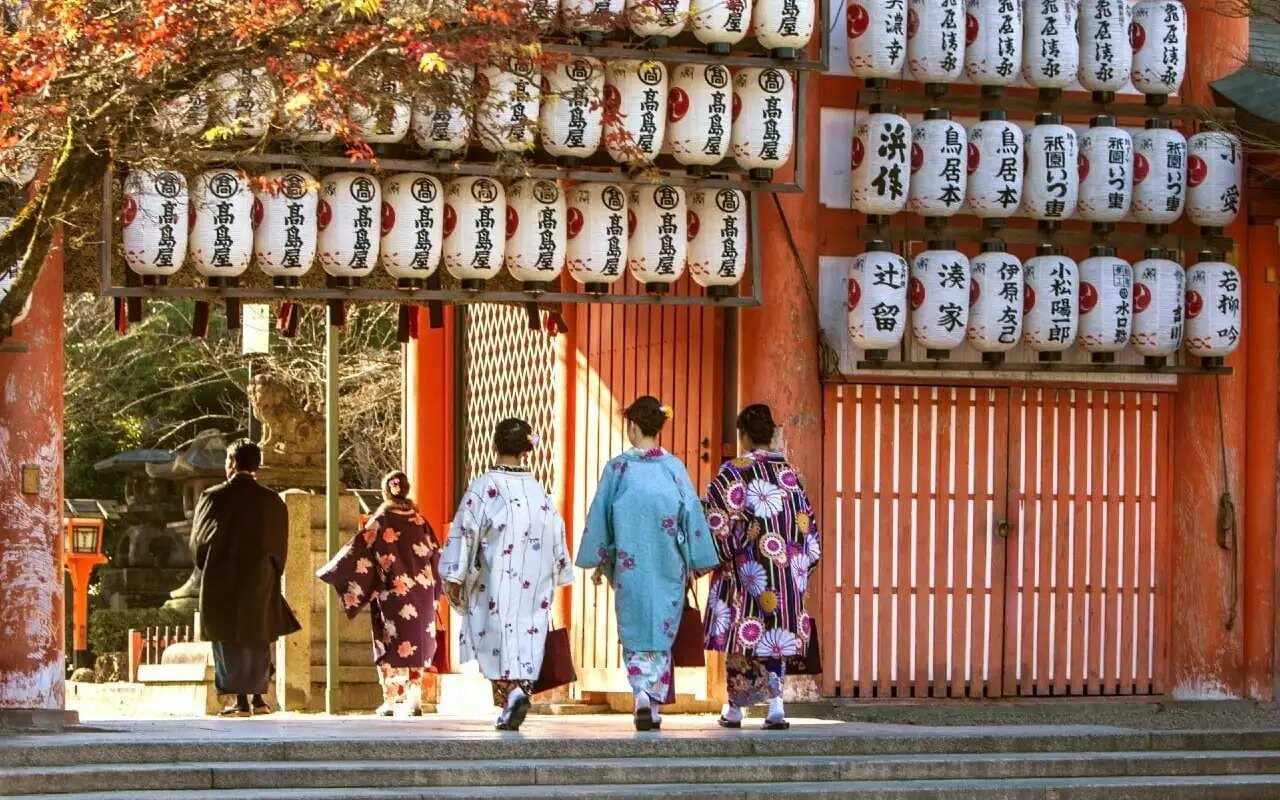
Characteristic customs at the start of the new year in Japan:
1. Hatsumōde (初詣) – The first shrine visit of the year ⛩️
Japanese people visit shrines or temples in the first days of the year to pray for health, luck and happiness for the whole family. Some famous places include:
– Meiji Shrine (明治神宮) in Tokyo
– Kiyomizu-dera Temple (清水寺) in Kyoto
– Tōdai-ji Temple (東大寺) in Nara
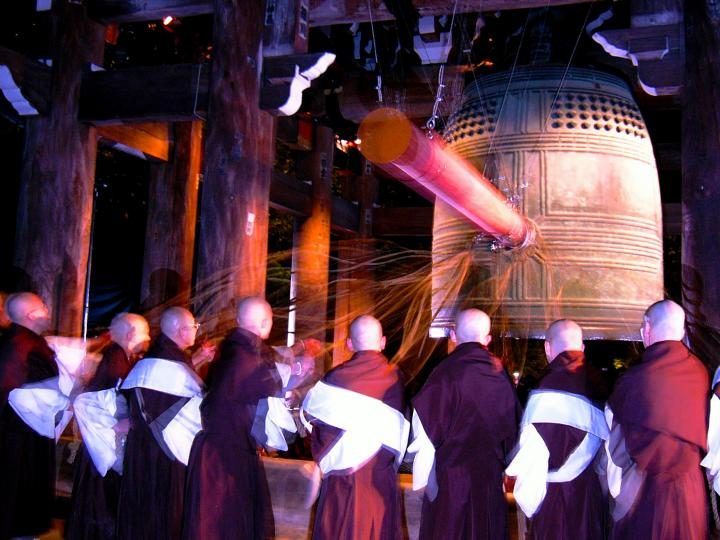
2. Joya no Kane (除夜の鐘) – The New Year's Eve bells 🔔
On the night of 31 December, temples across Japan ring their bells 108 times, symbolising the clearing away of the worries and temptations of the old year and welcoming peace in the new one.
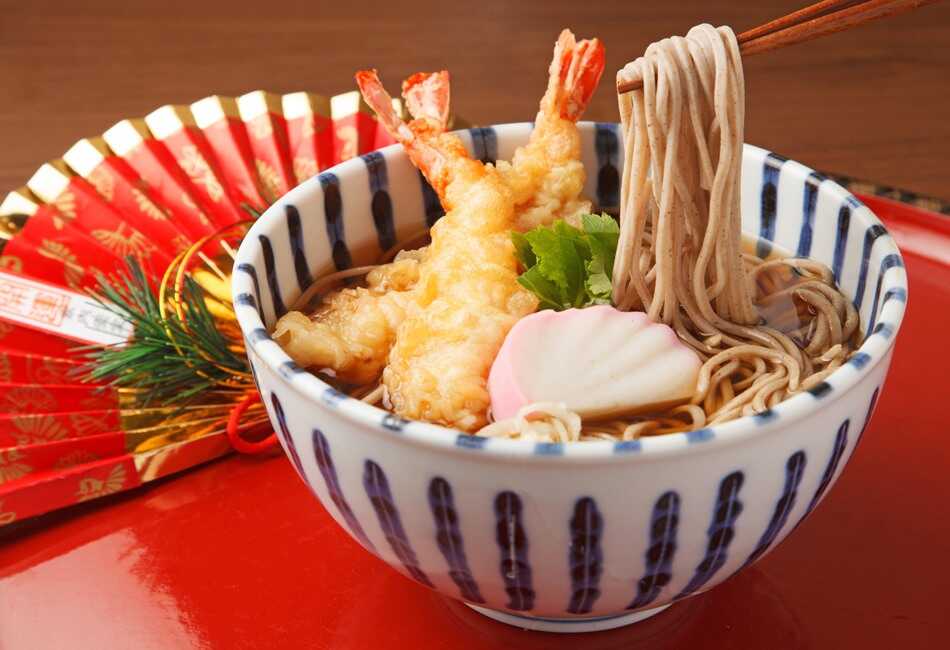
3. Toshikoshi Soba (年越しそば) – Long-life noodles 🍜
This is an indispensable traditional dish at New Year. Eating soba noodles on the last day of the year means driving away misfortune and praying for a long life.
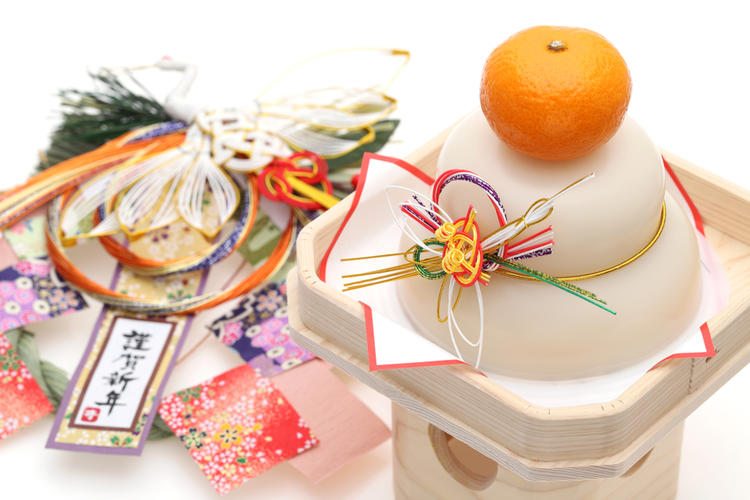
4. Kagamimochi (鏡餅) – Traditional rice cakes 🍥
Japanese people place kagamimochi in their homes as an offering to the gods and pray for blessings. After the New Year the cakes are eaten to bring luck to the whole family.
5. Hatsuhinode (初日の出) – Watching the first sunrise 🌅
Japanese people believe that watching hatsuhinode – the first sunrise of the new year – brings good things. Famous viewing spots include the summit of Mount Fuji, Togetsukyō Bridge in Kyoto and the sea at Enoshima.
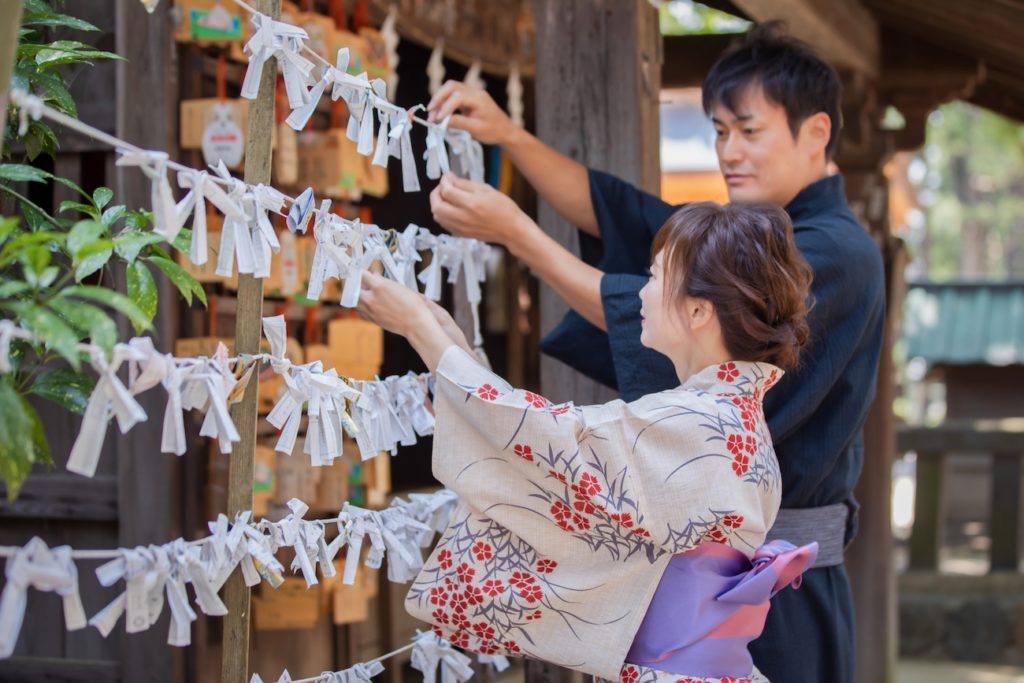
6. Omikuji (おみくじ) – Drawing a New Year fortune 🧧
At shrines you can test your luck for the year by drawing an omikuji fortune. If it is good, keep it with you; if it is bad, tie it to a tree at the shrine to ward off misfortune.
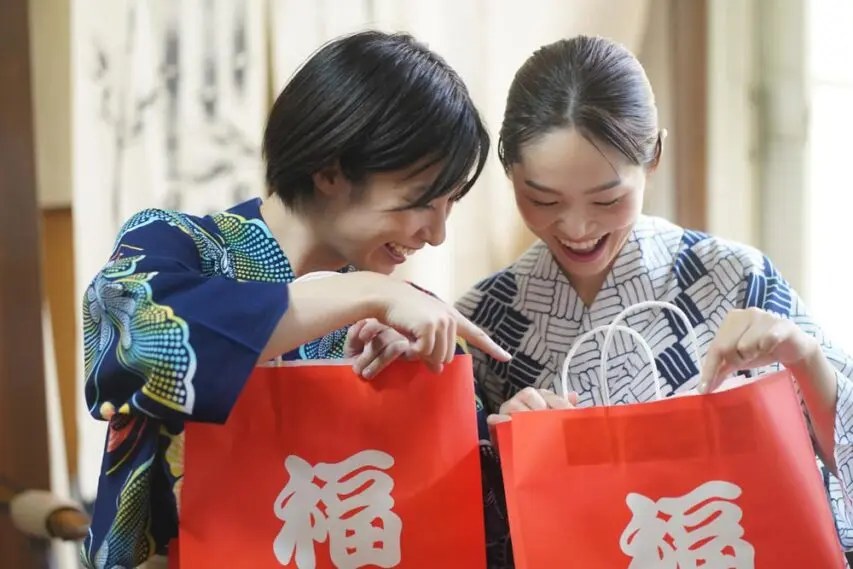
7. Fukubukuro (福袋) – Lucky bags 🍀
At the start of the year, shops sell fukubukuro – mystery bags of goods at extremely good prices. This is an exciting shopping tradition everyone looks forward to.
Japanese New Year is not only a time for families to reunite, but also a chance to renew oneself and look forward to a prosperous new year.
See also:
How to Say “Good luck” in Japanese and How to Reply
Japanese New Year Greetings