Japanese Cooking Seasonings You Should Know
Translated from the Vietnamese original. View the original.
15 Japanese cooking seasonings you should have in your kitchen
Seasonings – 香辛料 (koushinryou) are an indispensable part of everyday meals, so once in Japan you still have to go to the supermarket whether you know Japanese or not. Let's learn to tell the seasonings in Japan apart in detail in the post below.
1. Cooking oil
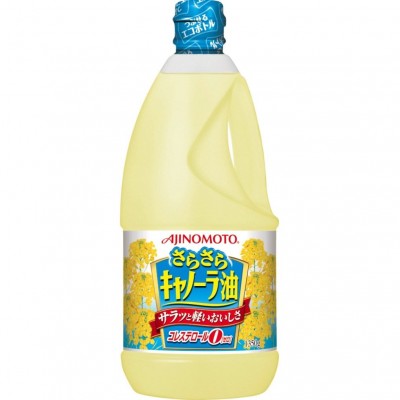
Cooking oil in Japanese is 油(あぶら: abura)or サラダ油(さらだゆ: sarada yu), and this is a picture of a common cooking oil. Different brands have differently shaped bottles, but in general they are white jugs showing yellow oil like this. Cooking oils are also grouped together in one area of the supermarket. This kind is used for frying and stir-frying and can also be used as salad dressing, hence the name salad oil.
2. Table salt
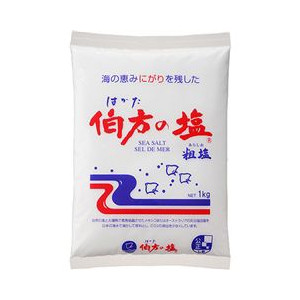
Salt in Japanese is 塩(しお)or クッキングソルト (cooking salt). The picture shows a common kind of table salt. In Japan I haven't seen seasoning salt like in Vietnam, only some salts mixed with MSG, but I usually just use ordinary salt.
3. Sugar
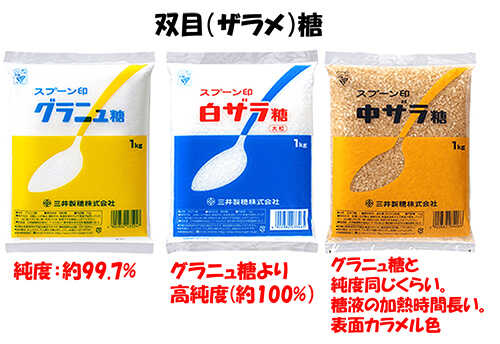
Sugar in general is 砂糖(さとう: satou)and granulated sugar is called グラニュー糖 (guranyu tou), from the English “granulated sugar”, or simply 白砂糖 (shirosatou: white sugar). Sugar and salt are very easy to confuse if you can't read Japanese.
4. Soy sauce
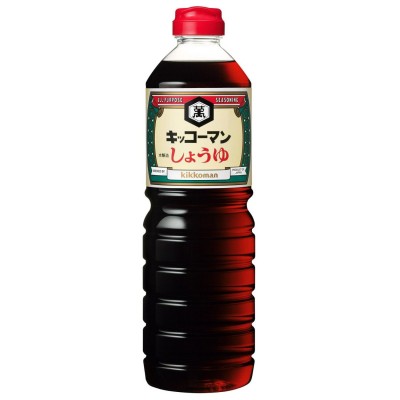
Soy sauce is しょうゆ (shouyu). I usually use Kikkoman soy sauce as in the picture. This soy sauce is used both for dipping and as a cooking seasoning. Note that after opening it should be kept in the fridge. Soy sauce that has changed colour can no longer be used, so it's best to buy a small bottle that suits you.
5. Vinegar
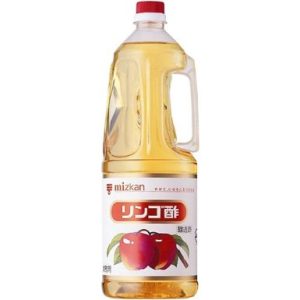
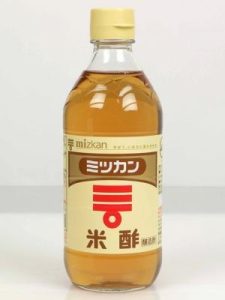
Vinegar in Japanese is 酢(す: su). Two common kinds are grain vinegar: 穀物酢(こくもつす: kokumotsu su) and rice vinegar: 米酢(こめず: komezu). Oh, there's also an apple vinegar called りんご酢 (ringo su). Sushi vinegar is called すし酢. I often use sweet vinegar, called 甘酢(amazu), because it's handy for making sweet and sour dipping sauce.
Ponzu vinegar
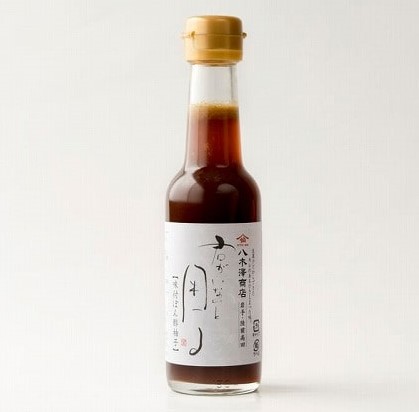
Ponzu (ポン酢) is a vinegar made from citrus fruit, with a light sour taste. Ponzu shoyu (ポン酢しょうゆ) is soy sauce mixed with ponzu, often used for dipping tofu, as dressing for seaweed salad, with sashimi or as a dipping sauce for shabu-shabu hotpot.
6. Pepper
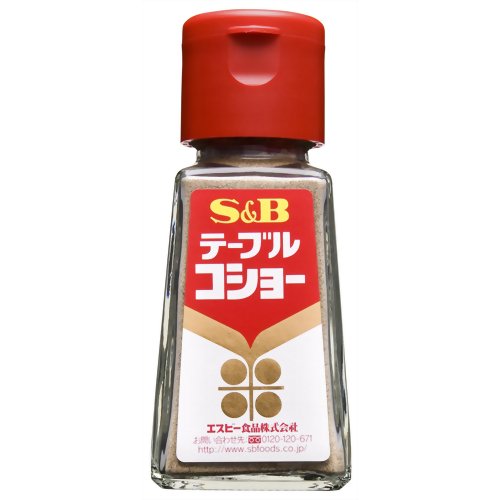
Pepper in Japanese is こしょう/ コショー, usually kept in small jars called テーブルこしょう. Some pepper jars are labelled ブラックペッパー (black pepper)
7. Japanese cooking wine
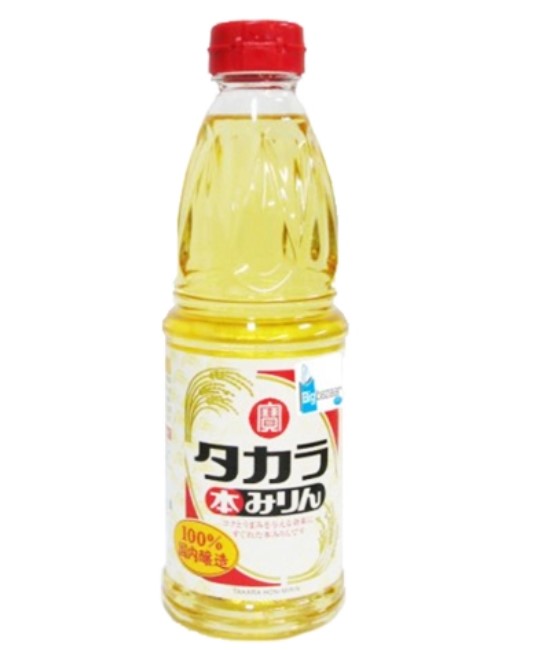
Mirin in Japanese is みりん (bottles usually say 本みりん), a rice-based wine with a slightly sweet taste. Mirin is added to simmered and fried dishes to give them a glossy finish and a natural sweetness without adding sugar. I often use mirin to marinate meat before frying.
8. Japanese mustard
Japanese mustard comes in 2 kinds:
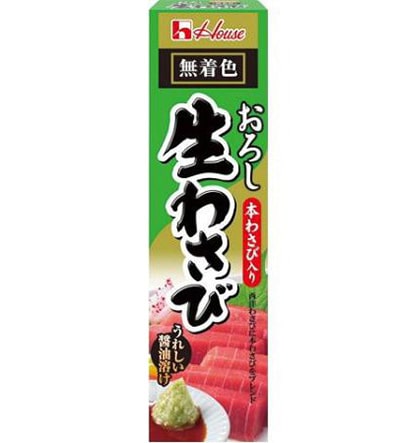
Wasabi (Vietnamese people often call it green mustard)
This is probably the most famous and most loved mustard in the world.
You feel a sharp heat rising to your nose, gently dissolving and blending with the delicate sweetness of the salmon slice. Don't rush; take it slowly and feel the rich salmon slowly melting on your tongue. Strangely, you won't notice any fishy taste at all, only the hot, warm, pungent taste of wasabi.
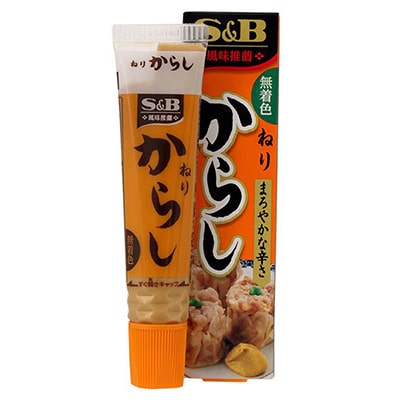
Yellow karashi mustard
Made from ground mustard seeds, yellow in colour, with a characteristic sharp flavour. No colouring used at all; fine grains.
Hot and pungent, but not as strong as wasabi. Suitable for dipping steamed, grilled and fried dishes…
9. Olive oil
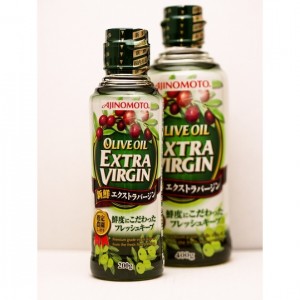
Olive oil is オリーブオイル. The kind common in supermarkets is like the one in the picture. You can find this olive oil in the cooking oil section. This olive oil can also be used for skin care or massage.
10. Chicken stock powder
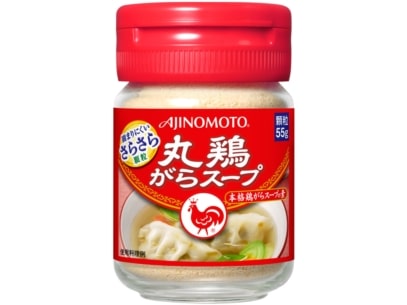
This powder is like the seasoning granules in Vietnam, used to add sweetness to soups; in Japanese it's called がらスープ (gara suupu). There are Chinese versions and Ajinomoto versions, and I always choose the Japanese one to be safe.
11. Chilli sauce and dried chilli
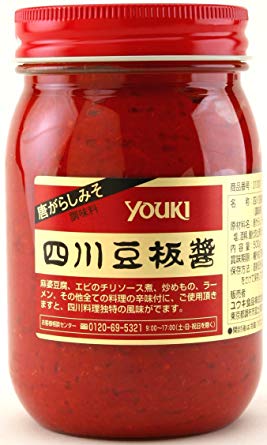
豆板醤 (toubanjan) is a sauce made from chilli and soybeans, with a sweet, salty and spicy taste, used to marinate meat or to cook Chinese-style dishes. Red chilli in Japanese is 赤唐辛子 (aka tougarashi), but fresh chilli is hard to find in Japanese supermarkets. When you need chilli as a seasoning you can use chopped dried chilli or chilli powder.
12. Butter and unsalted butter
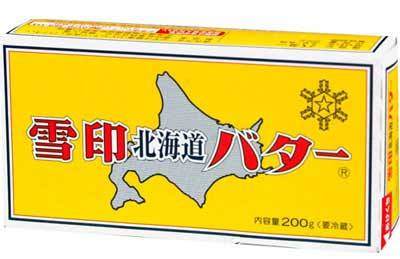
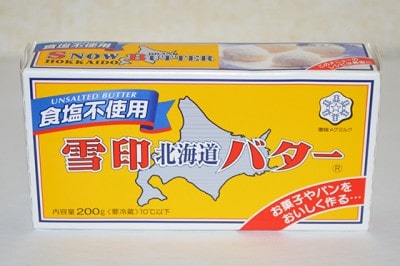
Regular (salted) butter is バター (bataa) and unsalted butter is 無塩バター (muen bataa) or 食塩不使用バター (shokuen fushiyo bataa).
Regular butter バター (bataa)
This butter is used more as a cooking seasoning than for baking. Soups and stir-fries made with butter have a rich, distinctive aroma. However, when baking with this butter it's hard to control the saltiness, and the flavour of the cake is affected somewhat. Below is a picture of バター (bataa); take care to buy the right kind of butter.
Unsalted butter 無塩バター (muen bataa)
In Japan this butter is also called 食塩不使用バター (shokuen fushiyo bataa). Unsalted butter helps bone development and is very good for digestion. That's why many people now put unsalted butter on their baking ingredient lists. It also comes in a wide variety of products for you to choose from.
13. Miso
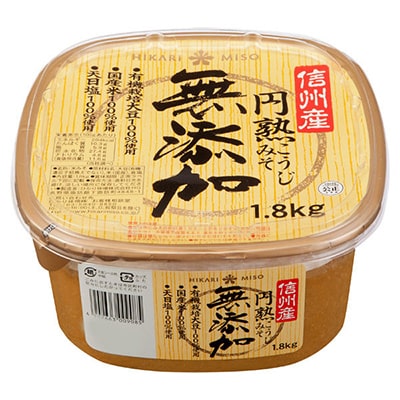
Miso (みそ) is an indispensable part of Japanese food. Made from fermented soybeans, it is the main seasoning for traditional Japanese soups such as miso shiru (miso soup with seaweed) and tonjiru (pork soup), and is used as broth for ramen.
Some stir-fried meat dishes also use miso for a richer taste. I mainly use light yellow miso, and occasionally red miso for clam soup.
14. Sesame oil
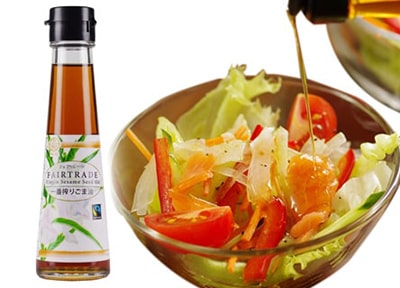
Sesame oil is ごま油 (goma abura). It's used to stir-fry meat dishes and gives a delicious sesame aroma. I especially like sesame oil for stir-fried pork with kimchi.
See also:
Japanese Bowing Culture in Communication
Learning About Japanese Envelope Culture