How to Say “Good Luck” in Japanese and How to Reply
Translated from the Vietnamese original. View the original.
What is the polite form of 頑張ってください? Other ways of saying 頑張ってください, its synonyms, and how to reply when someone says: do your best.
「頑張ってください」の敬語は?正しい言い換え、類語、返事の仕方を解説!
When talking to a superior, is there a politer way of saying 頑張ってください? Let's find out. 頑張ってください is already an honorific form: it carries the sense of どこまでも忍耐をして努力する, to keep persevering and trying whatever happens, and is used to encourage the other person. ください is the honorific form of くれる, so grammatically 頑張ってください is already honorific
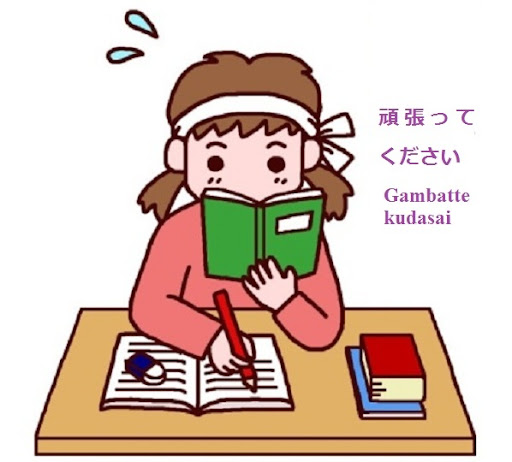
👉「頑張ってください」は敬語だが、ビジネスでは目上に使わない
Although 頑張ってください is honorific, in business it is not used with someone of higher standing
There are 3 reasons:
1, 「頑張ってください」carries the sense of「努力しろ」「忍耐しろ」「耐え抜け」: try hard, be patient, see it through. So it is not normally said to a boss or a customer, even though it is an honorific form
2. 「頑張ってください」is, whatever else, a sentence with the force of a command, so avoid saying it to someone above you (in social standing, at work, or in age)
3. 「頑張ってください」, honorific though it is, is used so commonly in everyday speech that in a context like a business email or a transaction it gives the other person the impression that your language is immature and careless.
👉「頑張れ!」は目上の人が使う場合も注意が必要
Even from someone of higher standing, “do your best” needs care
Superiors often use 頑張れ! when they want to encourage a subordinate, but while some people find it motivating, it also makes many feel pressured and mentally worn down. A superior needs to understand what kind of person the employee is in order to use 頑張れ! correctly.
👉「頑張ってください」の敬語の言い換え
Other honorific ways of saying 頑張ってください
中高大で先輩に「頑張ってください」と言うのはOK
With older students and seniors, saying 頑張ってください is fine and acceptable, in forms such as:
「社会人になっても頑張ってください」: Keep working hard once you are out in the working world!
「大学にいっても頑張ってください」: Work hard at your studies when you go to university!
And almost nobody feels uncomfortable being told this.
ビジネスメールでは「ご成功/ご活躍/ご健闘をお祈り申し上げます」
Unlike the spoken language, business emails call for politer forms than 頑張ってください, for example
・ご成功をお祈りしております
・ご活躍をお祈り申し上げます
・ご発展をお祈りしております
・ご健闘をお祈り申し上げます
・ご健勝とご活躍をお祈り申し上げます
・ご健勝とご多幸をお祈り申し上げます
Of these, 健闘(けんとう) means がんばってたたかう, so it is closest in meaning to 頑張ってください
健勝(けんしょう)means 健康であること: in good health, a phrase often used on New Year cards.
ご活躍 is used more for individuals, while for a business, a company or an organisation you use ご発展
Example:
例文
・新しい職場での一層のご活躍をお祈り申し上げます。
・新天地でのご健闘をお祈り申し上げます。
・貴社が更なるご発展を遂げられますよう、祈念申し上げます。
・新規事業のご成功をお祈りしております。
・昨年は大変お世話になりました。新年も○○様のご健勝とご活躍をお祈り申し上げます。
👉励ましは「陰ながら応援しております」
To encourage someone, use: 陰ながら応援しております: I will be quietly supporting you
When you want to encourage a superior or a boss, use the pattern
・陰ながら応援しております
・陰ながら見守っております
陰ながら means ひそかに: quietly, behind the scenes; there may not be much you can do concretely, but you offer your support and encouragement in spirit, and this phrasing conveys the speaker's modesty.
Example:
・交渉が良い結果となりますことを、陰ながら応援しております。
・新たな門出が実り多いものとなりますよう、陰ながら見守っております。
👉体調への配慮は「お大事になさってください」「くれぐれもご自愛くださいませ」
How to express concern for someone's health:
When you want to show concern for the health of a boss or a customer you can use:
・お大事になさってください
・くれぐれもご自愛くださいませ
・お大事になさってください is usually used in hospital with people who are injured or ill, while ご自愛ください is not used in hospital and appears more often in emails and letters
Example:
・ご無理をなさらずにくれぐれもお大事になさってください。
・厳寒の折、風邪など召されませぬよう何卒ご自愛ください。
出張時には「どうぞお気をつけて、いってらっしゃいませ」
When a superior goes on a business trip, use どうぞお気をつけて、いってらっしゃいませ
Before it you can add 「今日は気温が下がりそうですが」「本日も暑いですが」, which are also often used.
👉「頑張ってください」の不適切な言い換え
Phrasings that do not work with 頑張ってください
🙅♂お励みください/お励みくださいませ
With someone senior to you, asking them to make an effort is considered discourteous and many people find it uncomfortable, so avoid it
🙅♂期待しています
This way of expressing expectation is also not used by a subordinate to a superior; in an email you can use 「期待に応える」「ご期待に沿う」
👉「頑張ってください」への返信
Replying when someone says 「頑張ってください」
When a superior says 頑張ってください to you, the best reply is ありがとうございます。最善を尽くします, which both thanks them and confirms that you will do your very best
🙅♂Best avoided:
・やってみます
・もう頑張ってます
Since the other person said 頑張ってください in order to encourage you, avoid the two negative-sounding replies above.
Vocabulary in this article:
どこまでも忍耐をして努力する to endure and keep trying whatever happens
相手を激励 to encourage the other person げきれい
目上の人 someone senior
意味合い nuance
親しい関係の相手 someone you are close to
しっかりと見極める to see clearly, to understand (a use of words, a person) みきわめる
ことが許容です it is acceptable, permitted きょよう
不快な思いをする to feel uncomfortable (about someone's choice of words) ふかい
口語 the spoken language こうご
謙虚さを表現する to express modesty けんきょ
元気づける to support, to cheer on, to encourage
目上の立場の人 someone of higher standing
——
Source: Học tiếng Nhật khó như leo núi
See also:
Japanese Conversation Patterns on the Topic of Helping Others
Japanese Conversation Patterns for the Workshop and the Factory