23 Unique Traits of the Japanese People
Translated from the Vietnamese original. View the original.
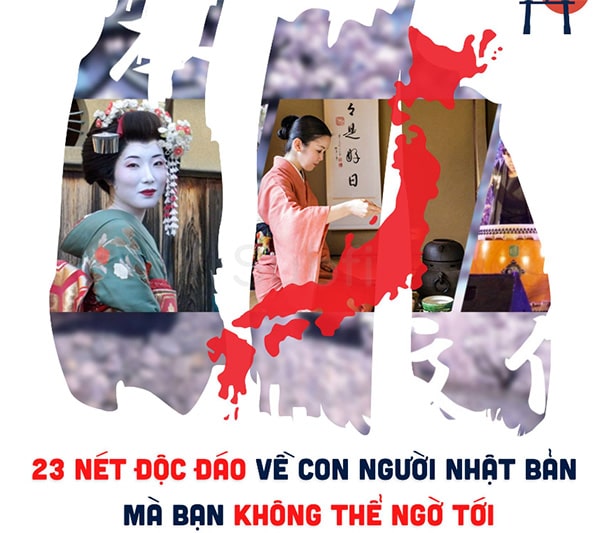
23 unique traits of the Japanese people
This article covers most of the distinctive traits of Japanese people. Learning a language while also understanding the culture and people of that country is a wonderful thing.
1. How Japanese people split the bill
In Japan, splitting the bill when eating out is normal among friends, even among couples who are dating. In Japanese it's often called betsu-betsu (別々), meaning separately.
People estimate how much each person should pay. However, when the bill is expensive, men or people of higher status usually pay a little more.
Note that this is not acceptable in business situations. When eating with business partners, the company that wants to negotiate a contract or sell a product pays. Never split the bill or let the client pay. If the client does so, it means the company has very little chance.
2. Itadakimasu
Before a meal, Japanese people usually say “Itadakimasu”. It is a polite expression, roughly “let's eat, thank you for this food”, accompanied by putting the palms together as if praying.
Japanese people are also strongly influenced by Buddhism. This word comes from that belief and expresses gratitude for receiving the lives of all things in the world. It is also a special thank-you to those who made the meal possible: farmers, local people and cooks.
3. Don't pour your own drink
At parties in Japan, it is considered rude to pour a drink only for yourself. Instead, pour for others and someone will notice and do the same for you.
This shows the thoughtfulness of Japanese people, who always care about others. Buying large bottles of drinks to share is also common at gatherings in Japan.
4. Rules for taking out the rubbish
Japan's rubbish disposal guides will surely surprise you. There are many rules for disposing of rubbish properly, from how to bag it to how to sort recyclables for collection trucks, all clearly specified.
Each neighbourhood in Japan appoints someone to manage and monitor rubbish disposal. This helps everyone follow the rules more conscientiously. Once you understand and get used to the correct procedure, disposing of rubbish properly won't worry anyone.
5. Avoid voicing dissatisfaction directly
It's no surprise that Japanese people are admired worldwide for their politeness. They usually don't speak directly about things that displease them or could cause conflict, believing that doing so lacks tact.
Knowing this, you'll easily notice that Japanese people give subtle hints instead of direct statements. Reading hints is considered an important communication skill to have when coming to Japan.
6. Don't point
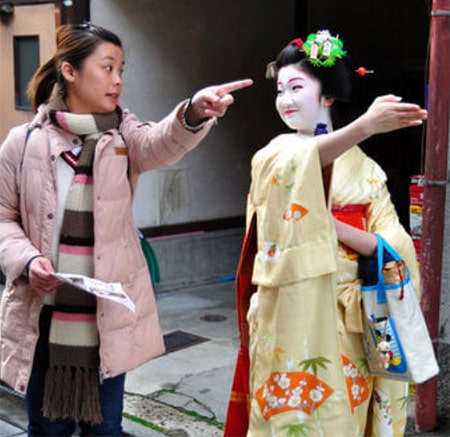
You should avoid pointing in Japan, as it is seen as a threatening gesture. Instead, indicate directions with an open hand. Giving directions verbally is also more common in Japan than gesturing.
7. Respect chopsticks
Chopsticks in Japan are items that deserve respect, so there are rules about using them that you should note.
Don't use them for anything other than eating, such as pointing or waving them around while talking.
Don't pick up food from the same plate as someone else at the same time
Don't rummage through a dish with your chopsticks. Take food from the part of the dish closest to you!
Don't stab food with your chopsticks if it's hard to pick up. Japanese people see this as rough treatment of food.
Don't stir your soup with chopsticks. Japanese people think you are “washing your chopsticks”.
Don't pass food from your chopsticks to someone else's. This is strictly taboo because it is associated with Japanese funeral rites.
8. Bowing
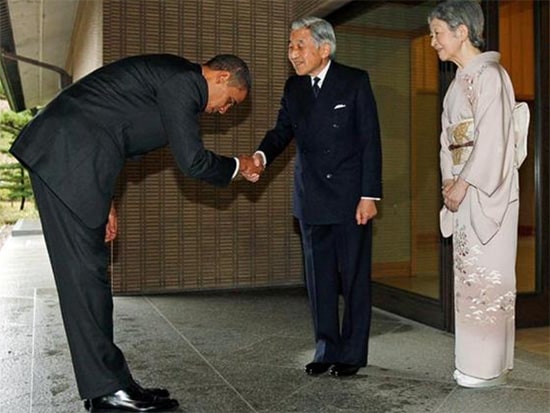
Shaking hands is a common form of greeting in Japan. You don't have to bow if you're not used to it. Doing both at the same time will make the other person feel very awkward and embarrassed!
9. Use the wet towel before eating
Oshibori is a damp towel commonly provided in Japanese restaurants. It is used to wipe your hands before eating. Oshibori is hot or cold depending on the weather, to give diners the most comfortable experience. Avoid using oshibori to wipe your face or as a napkin while eating; this is considered rude in Japan.
Nowadays these towels appear not only in restaurants but also on planes, in spas… They represent a polite Japan that is thoughtful down to the smallest details.
10. Use honorific language when speaking
Keigo is a way of speaking that shows the speaker's respect for the listener (honorific language). Different levels of keigo are used depending on who you're talking to. Even for Japanese people, mastering keigo is very difficult.
Even so, don't drop keigo in situations that call for it when communicating in Japan. Otherwise, you'll be seen as rude and ignorant of the culture of the land of the rising sun.
11. Treat business cards with respect
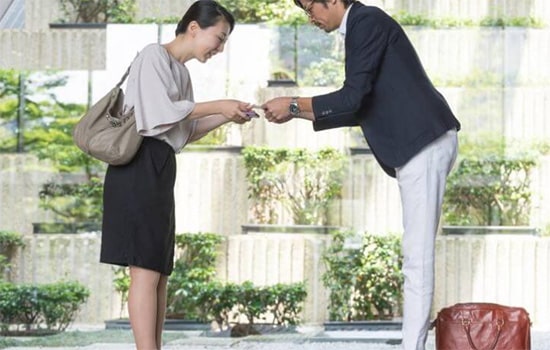
Business cards, called meishi in Japanese, play a very important role in Japanese culture. Showing respect when receiving a meishi is an art of communication here. Receive it with both hands and look at it carefully. During a meeting, place the card you received on the table in front of you. This shows that you value the relationship. A collection of meishi is also an asset every businessperson wants. You'll be seen as having good networking skills if you hold a large number of meishi in Japan.
12. Carry your backpack in your hands
On crowded trains and buses, Japanese people usually take off their backpacks and hold them. This also stems from the kindness of the Japanese character: they always wish good things for those around them.
Most transport companies have worked hard to guide millions of passengers to behave properly. They also invest in initiatives to raise awareness among people on public transport.
13. Don't tip, even if you're a billionaire
In Japan, you don't need to tip for restaurant or taxi service. Tipping may be seen as offensive, or at least embarrassing for staff.
They serve customers wholeheartedly, for no other purpose. So feel free to accept this wonderful spirit of service as a gift from the Japanese people to you
14. Always carry an umbrella
Japanese people always carry an umbrella. This habit comes from a culture instilled from childhood: behave politely, considerately and without affecting others.
They are very afraid of getting people wet on crowded buses or trains. Restaurants and department stores provide umbrella covers for customers to prevent slippery floors.
15. Team spirit
Japanese people are closely associated with teamwork. Results are the effort of the whole group, not of any one person. In many cases, employees stay late because no one on their team has left yet. Those who leave before the rest of the team may be thought to be dissatisfied with their work.
16. Giving Oseibo and Ochugen
Oseibo and Ochugen are winter and summer gifts prepared by families. The gifts are usually fruit, beer or sweets. They are given to relatives, neighbours or anyone who has helped you over the past year. Oseibo and Ochugen are gifts between families rather than individuals.
17. Honking
Drivers in Japan are usually very patient and avoid rushing others by honking. The horn is only used in dangerous situations.
Beeping or flashing lights on the road usually warn that you haven't turned your lights on at night.
18. Avoid smoking and talking loudly in public
Japanese people are famous for being polite and considerate. Smoking, talking or playing music too loudly is taboo in public places in Japan. You'll notice that Japanese people very rarely talk to each other on public transport.
So avoid talking on the phone on trains or buses. Smoke only in designated areas, not in public places where it affects others.
19. Don't write names in red ink
If you plan to stay in Japan, drop the idea of writing everything in red ink. In the past, Japanese people wrote the names of the dead in the family register in red ink. They believed red ink was only for writing the names of the dead.
Although this is an old belief, Japanese people still consider writing someone's name in red very rude today. So avoid using a red pen to prevent unnecessary misunderstandings!
20. Don't wear shoes indoors
You need to take off your shoes at the entrance of hotels, homes and companies in Japan. They usually provide slippers to wear inside.
However, never wear slippers when stepping onto tatami (tatami are mats used for traditional Japanese flooring). Some foreigners still wear slippers into temples with tatami in Japan. Keep this in mind to avoid unnecessary misunderstandings!
21. Don't use a spoon for soup
Soup is served in a small bowl, for example miso soup. It is usually served right at the start of most Japanese meals. You don't need a spoon for soup. Instead, you can bring the bowl close to your mouth and drink it.
22. Physical affection
Japanese people don't like physical contact such as hugs or pats on the back. They feel uncomfortable with such gestures. Couples also tend to avoid physical intimacy in public.
23. Seating in meetings
In business meetings, everyone from one company sits on the same side. Clients sit in the innermost part of the room, farthest from the door. This is considered the best seat by Japanese people
Every habit and action of the Japanese comes from beautiful traditions instilled from childhood. Hurry to Japan to experience these interesting things!
This article covers most of the distinctive traits of Japanese people. Learning a language while also understanding the culture and people of that country is a wonderful thing.
See also:
10 Lucky Symbols of the Japanese
8 Ways to Apologise in Japanese for Every Situation