10 Lucky Symbols of the Japanese
Translated from the Vietnamese original. View the original.
Discover the lucky symbols of the Japanese
1. Daruma dolls – a Japanese symbol of luck
The Daruma doll is a round Japanese doll with no legs or arms, made from traditional Japanese papier-mâché. Its sitting posture resembles a lotus and follows Bodhidharma's meditation pose. Daruma dolls also usually have no eyes. Buyers paint in the left eye themselves and make a wish. If the goal is achieved, the other eye is filled in. Afterwards, Daruma dolls with both eyes completed are gathered and burned at temples.
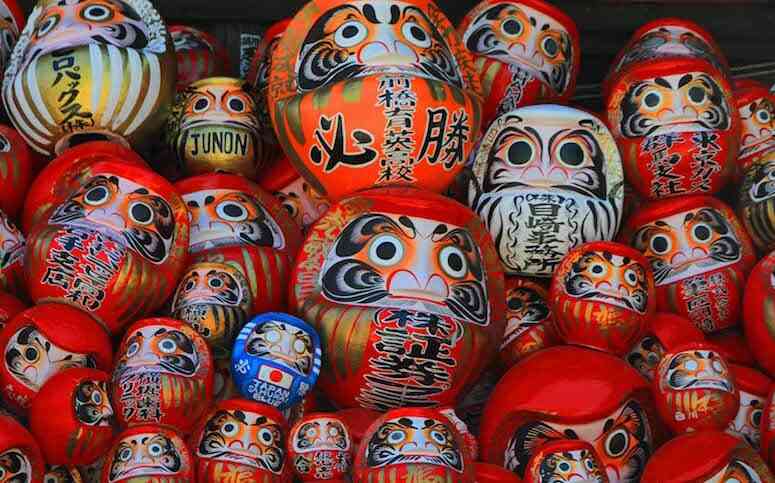
Daruma dolls are bright red, with the face of a man with bushy eyebrows and a full beard. This is the most widely used lucky symbol in Japan. People there believe Daruma can bring luck in love, power and courage.
2. Omamori lucky charms
Omamori is a lucky charm the Japanese regard as a very meaningful gift for special occasions. It is carefully sewn from fabric in the shape of a small pouch. Inside is a prayer written on paper or a piece of wood. According to Japanese belief, carrying an omamori brings blessings anytime, anywhere. But you must not open it, as that would make the charm lose its sacred power.
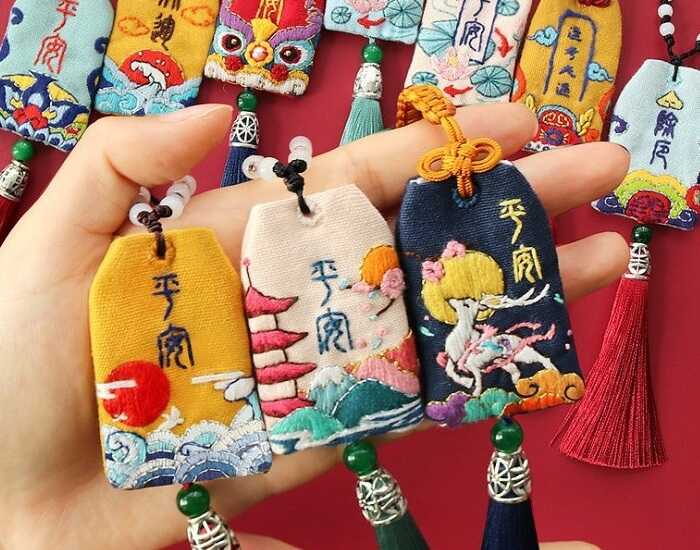
Each charm has different colours, designs and meanings. There are many types, such as charms for wealth, traffic safety, love, study, travel… meeting every need. It is also considered a meaningful souvenir that you can attach wherever you like.
3. Maneki Neko, the lucky cat
Maneki Neko is a beckoning cat, also called the “lucky cat”, the “welcoming cat” or the “fortune cat”. It is one of the most widely used good-luck charms in Japan.
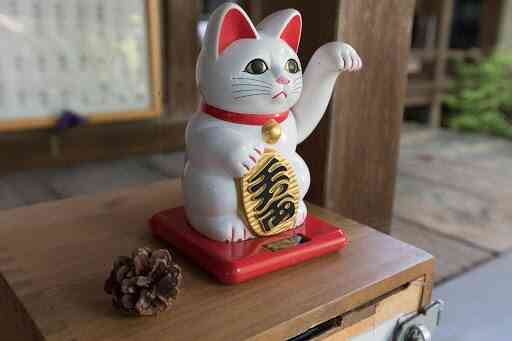
In Japanese, Maneki Neko means “the cat that beckons prosperity, luck and happiness”. These cats express wishes for health, protection from illness, evil spirits and troublemakers, and good fortune for the household. In Japan there are many types of Maneki Neko figures, and each colour has a different meaning, such as happiness, luck or wealth.
Maneki Neko is made of porcelain or ceramic in the shape of a cat waving at people. The classic Maneki Neko looks like a Japanese bobtail cat wearing a cloth bib, with one or two front paws raised as if welcoming the person in front of it.
4. Omikuji fortunes
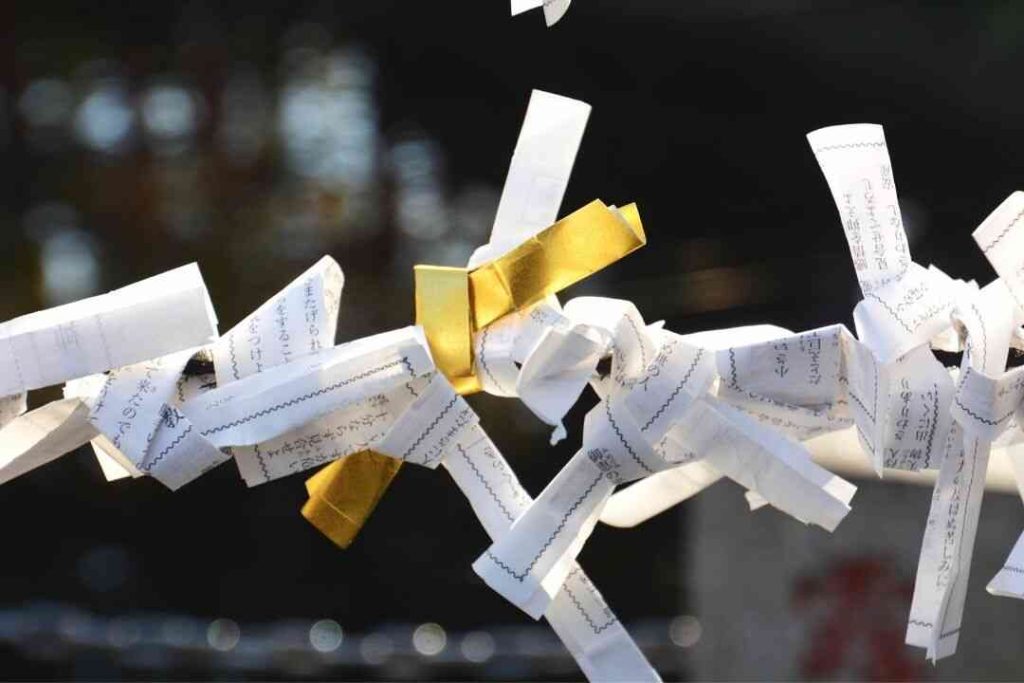
Omikuji are paper fortunes containing good or bad predictions, used at Japanese shrines and temples. It's quite similar to drawing fortune sticks in Vietnam. If the fortune is good, people keep the slip to keep the luck; if it's bad, they tie the slip to a fence or a rope at the shrine to leave the bad luck behind.
5. Akabeko, the red cow
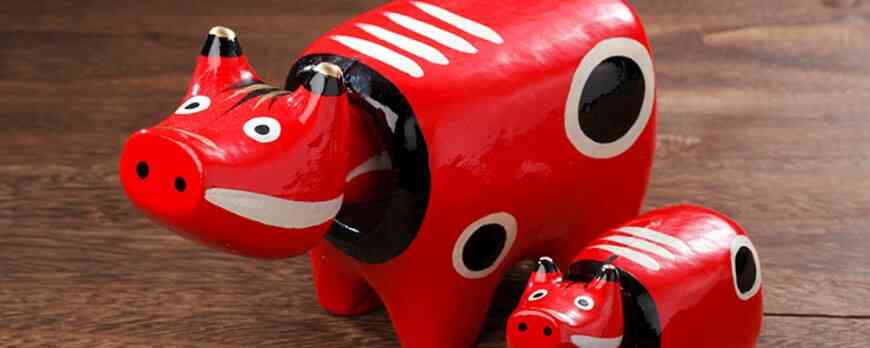
Akabeko is made entirely of lacquer and papier-mâché by the Japanese, with two main parts: the body and the head and neck. When an akabeko moves, its head bobs along. According to legend, the Enzo-ji temple associated with akabeko was built in 807, and the craft was later promoted by the lord Gamo Ujisato.
6. Teru Teru Bozu dolls
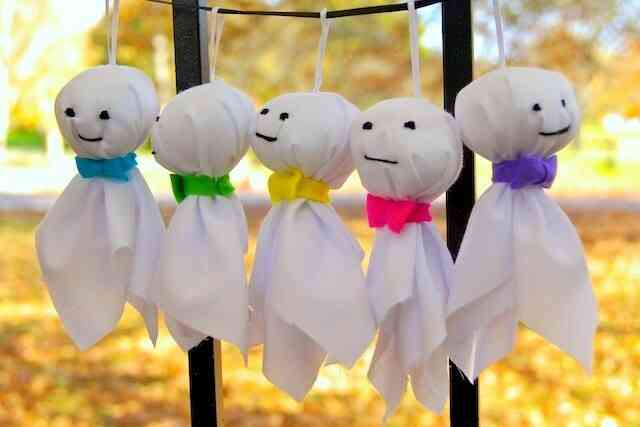
When talking about lucky symbols widely used in Japan, many people immediately think of Teru Teru Bozu dolls. These dolls are made of ordinary paper or cloth and are hung by children on the eaves or windows, wishing for sun or rain as they please.
7. Senbazuru, 1000 cranes
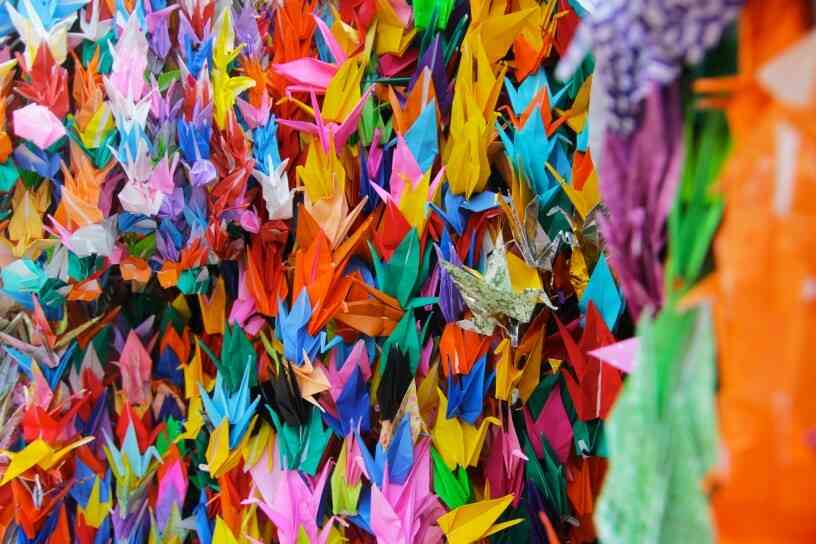
It would be a big omission to talk about Japanese lucky symbols without mentioning senbazuru cranes. The Japanese believe that if someone folds 1000 paper cranes and hangs them all up, they will be granted a wish for success, happiness and peace. Many people still believe and follow this today. Paper cranes not only bring luck but are also a long-standing form of paper folding in Japan.
The story of the 1000 paper cranes:
It is the story of a 12-year-old girl exposed to radiation from the atomic bomb dropped on Hiroshima. She had leukaemia and her life was numbered in days. But with extraordinary willpower she set out to fold 1000 paper cranes with a wish for world peace.
Sadako Sasaki folded 644 paper cranes before she passed away. In her memory, people continued her unfinished work, completing 1000 paper cranes, and her wish came true: a peaceful world.
8. Four-leaf clover
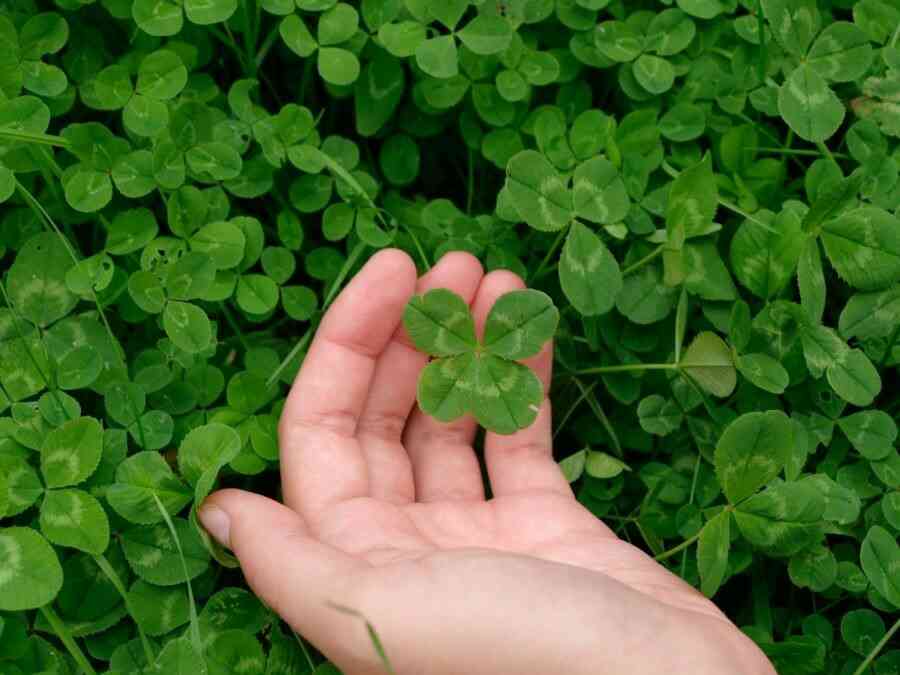
As one of the lucky symbols of the Japanese, the four-leaf clover carries four meanings: luck, love, hope and faith. The Japanese believe that whoever finds a four-leaf clover will have luck and happiness for life. Not only in Japan, you can also see the four-leaf clover on jewellery in Vietnam.
The story of the four-leaf clover:
In Japan, the story of God and the children is widely told: every child born receives four gifts from God, namely luck, love, hope and faith.
To obtain these gifts, each child must go into a deep forest to face trials: the trial of hope, the trial of faith and the trial of love. If they pass all three, God grants them luck. Three-leaf clovers symbolise God's gifts, with three heart-shaped leaves representing faith, hope and love. Finding a four-leaf clover means that person has also received God's gift of luck.
9. Carp streamers
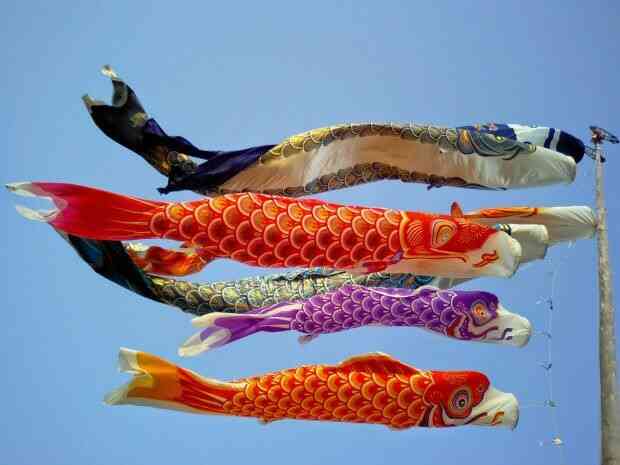
The image of the carp turning into a dragon symbolises courage and the strength to overcome countless hardships to achieve success. On Koinobori days for boys, Japanese families hang carp streamers wishing for success and health like the carp. Carp streamers are widely used and have existed for a long time in the land of cherry blossoms.
10. The Japanese 5-yen coin
The Japanese 5-yen coin is read “go-en”. This sounds the same as a word meaning “connection, bond”. So this coin is also considered a lucky coin, like the American $2 bill.
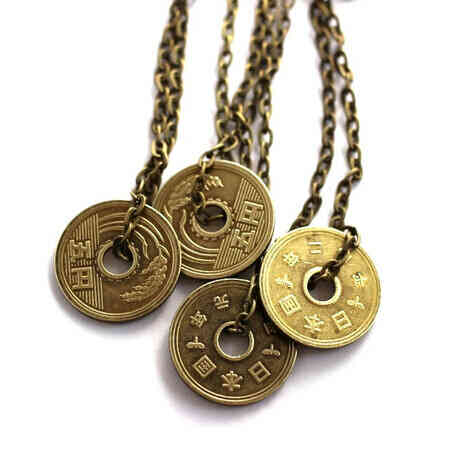
According to the Japanese, if you put a 5-yen coin in your wallet with your first salary, you'll always have money to spend afterwards. Also, when giving a wallet as a gift, Japanese people always put a 5-yen coin inside, wishing the recipient will never have to worry about money.
Japan has many different lucky symbols, each used at different times, by different ages and with different meanings. Depending on your wishes, you can choose different symbols. Learn about these 10 Japanese lucky symbols to know which ones are used in the country. You can also use them to bring luck to yourself.
See also:
The Obon Festival in Japan
Experiences of Living and Working in Japan