The Difference Between そう / らしい / よう / みたい
Translated from the Vietnamese original. View the original.
The difference between そう / らしい / よう / みたい in Japanese
These 4 words fall into 2 groups: the “hearing” group and the “seeing” group
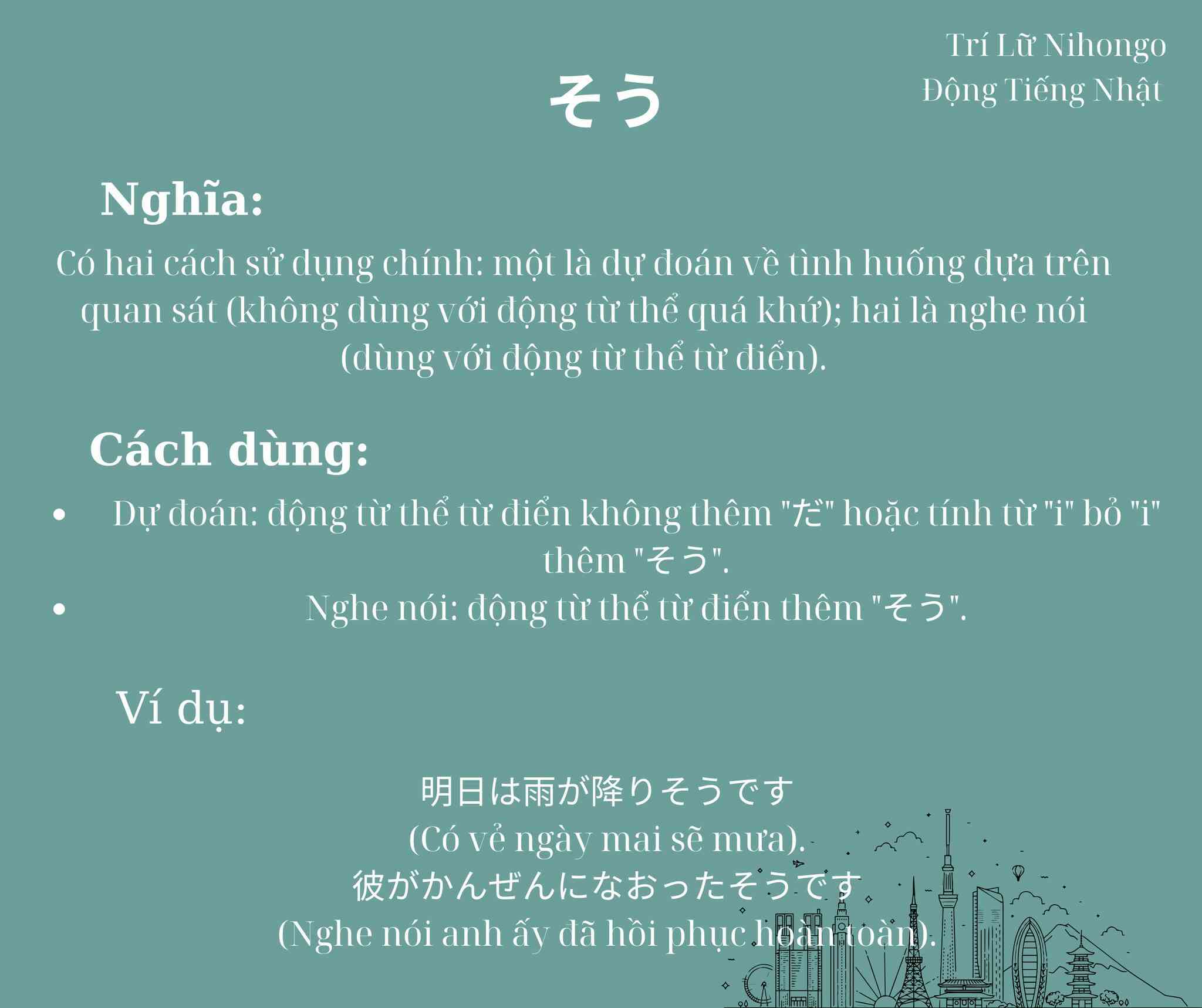
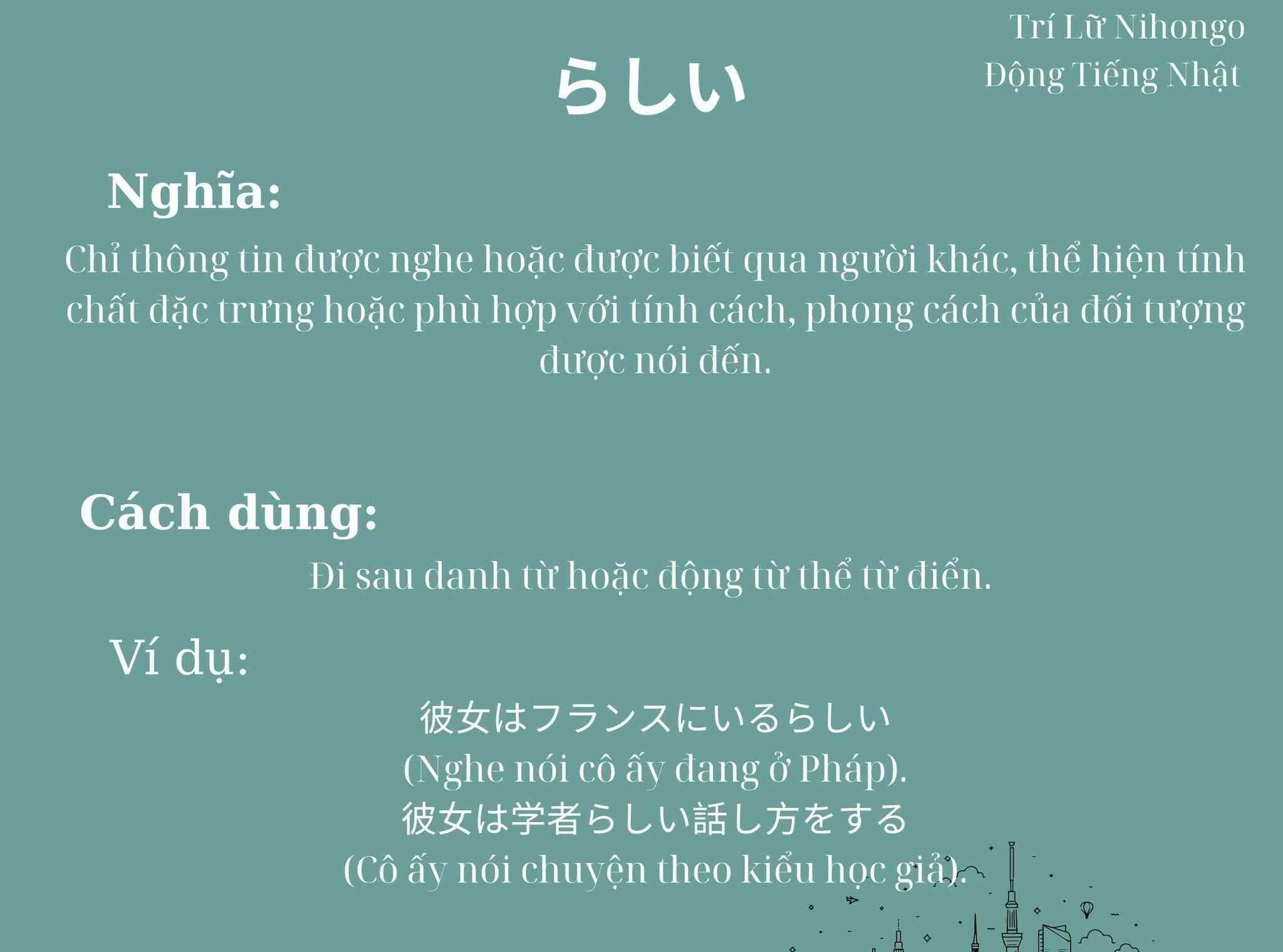
「そう①」and「らしい」mean「I heard that」、
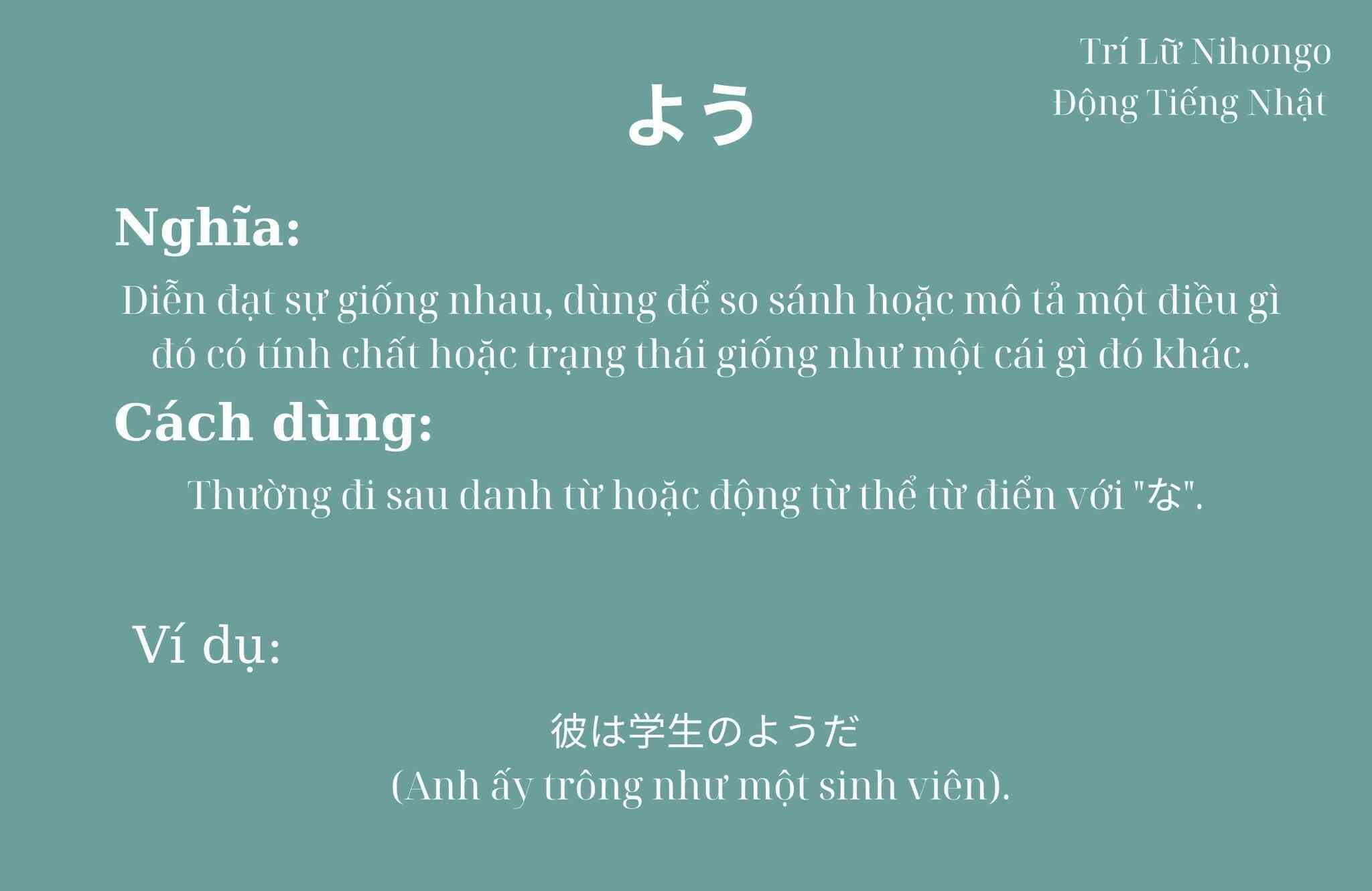
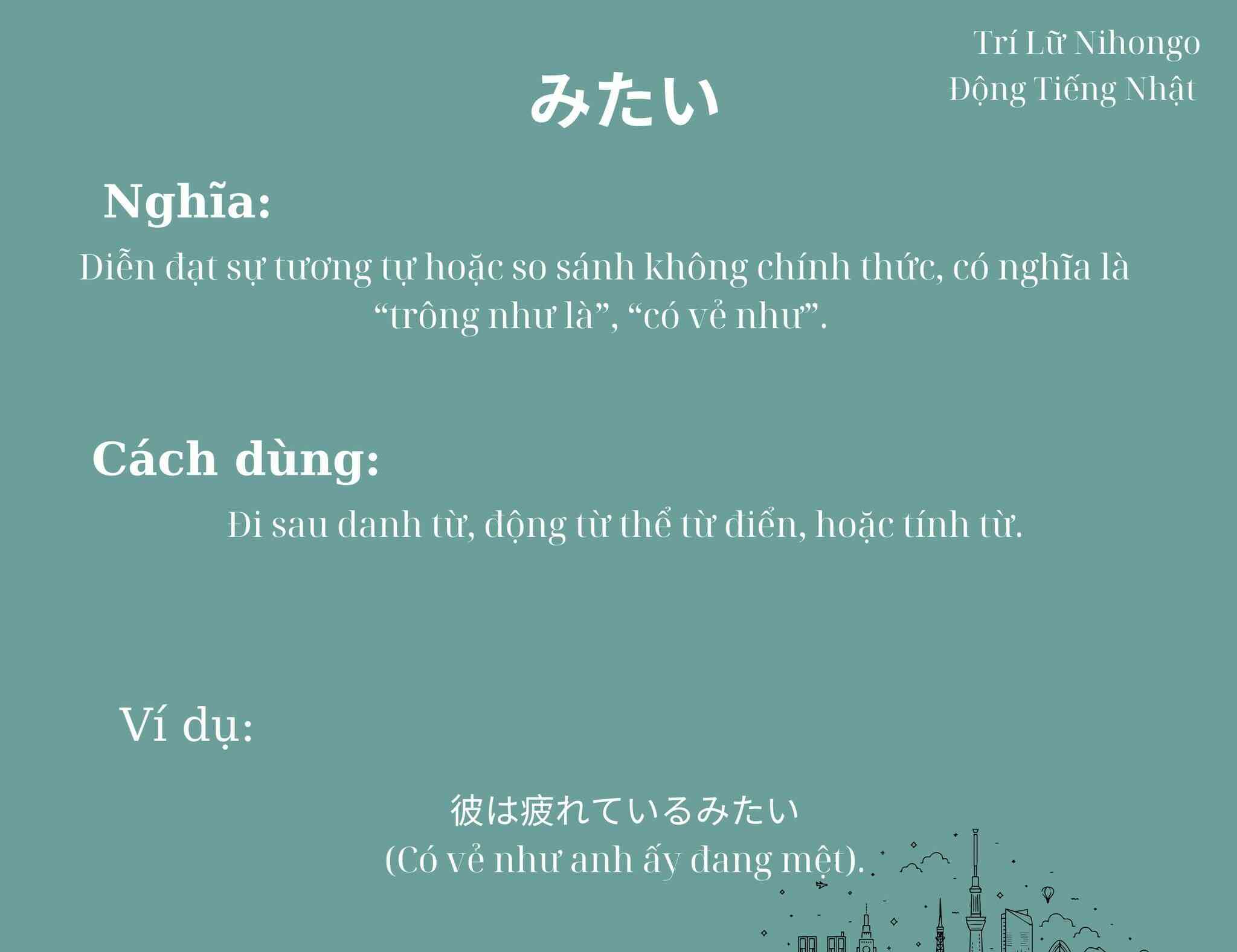
「そう②」,「よう」and 「みたい」mean「It looks like」
The hearing group, 「―そう①、らしい」
「そう」is used when the information you heard is reliable、
「らしい」is used when the information you heard is not reliable.
Examples:
After hearing the weather forecast, telling a friend:
明日は雨が降るそうだよ。(I heard it's going to rain tomorrow)
Telling a friend a rumour:
田中さんは会社をやめるらしいよ。(I hear Mr Tanaka is quitting the company)
The seeing group, 「見ること―そう②、よう、みたい」、
「よう」and「みたい」are very similar、so let's distinguish「そう 」from「よう/みたい」:
Looking at the sky, dark clouds gathering more and more, the sky getting dark.
もうすぐ雨が降りそうだね。 (It looks like it's about to rain)
=>> In this case, while looking at the sky you guess that it will probably rain. That is, looking at the present state or situation, you think about the likelihood of something happening in the future.
Next example: looking at the shop's current situation, guessing about the future:
The shop never has customers, so:
この店はつぶれそうだね。 (This shop looks like it's going to close)
=>> In contrast, when you see what is happening now and infer or convey the current state, we use 「よう/みたい」。
Now you see the shop staff clearing away the food
この店はつぶれるようだね。(It seems this shop is closing down)
When you see a friend studying every day:
彼はテストに合格しそうだね。(He'll probably pass the test)
=>> Predicting the likelihood of something happening in the future
After the test, seeing your friend looking happy:
彼はテストに合格したみたいだね。 (It seems he passed the test)
=>> Judging from the current state you see, concluding about the current situation
See also:
[N4 Grammar] The Difference Between から/ので/て
N4 Honorific and Humble Language