IN OSAKA, LISTEN AND SPEAK IN OSAKA DIALECT!
Translated from the Vietnamese original. View the original.
IN OSAKA, LISTEN AND SPEAK IN OSAKA DIALECT!
① SOME WORDS COMMONLY USED IN THE OSAKA DIALECT:
OOKINI(おおきに)
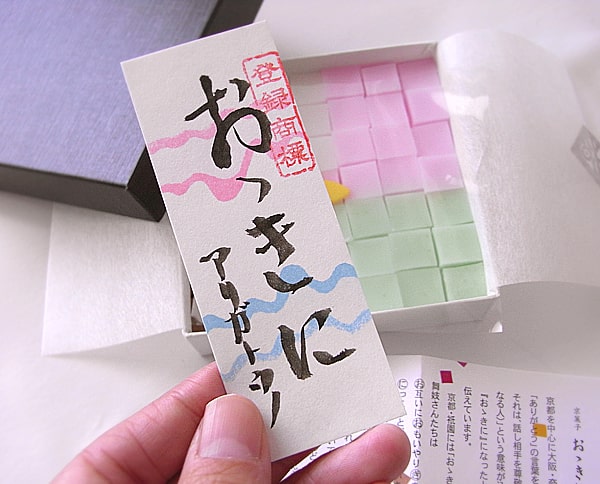
This word means "thank you" and is ありがとう in standard Japanese. Many people in Osaka still say おおきに at the end of whatever they say, to make relationships between people feel closer. Depending on the situation, おおきに means "thank you" or "please".
おおきに was originally an adverb of quantity. 大きにありがとう means thank you very much. Over the years the phrase was clipped down to just おおきに. When someone from Osaka invites you out to eat and drink, instead of thanking them with ありがとう you should say おおきにごちそうさん. When you have behaved badly or need to apologise, say おおきにすまへん. Osaka people even use this magic phrase to say "No, thank you", as おおきに、かんがえときまっす! One more interesting point: when someone proposes marriage and the other person says おおきに, it means the proposal has been turned down.
NAMBO(なんぼ)
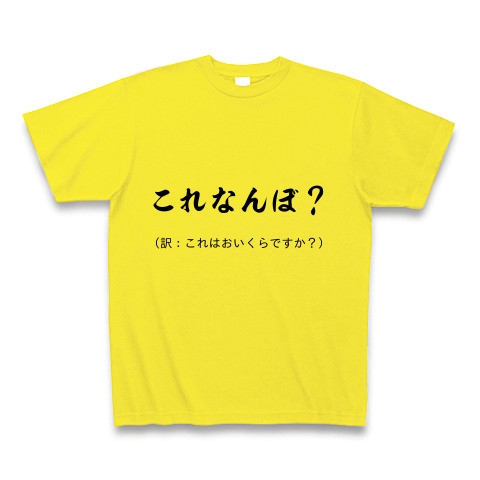
Osaka was a great trading centre for many centuries. So it is no surprise that Osaka people have words of their own for paying. なんぼ is the equivalent of "How much is it?" and of おいくらですか? in standard Japanese. A customer will usually pick up an item and ask the assistant ちょっと、これなんぼ? (Excuse me, how much is this?).
Osaka people also often haggle to get the best price in retail shops. The customer asks the owner what price the item can be had for by saying おっちゃん、これなんぼにしてくれるん?
Read it as NAMBO, not NANBO!
SHAA-NAI(しゃあない)
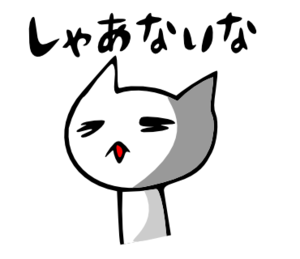
This phrase is often used when someone has given up believing that something will turn out the way they hoped. By saying そうか or それしゃあないな, the speaker reluctantly accepts giving up their present wish. It is quite a hard word to translate; it corresponds to "oh well" or "nothing to be done". It conveys a feeling of looking to tomorrow rather than dwelling on what can't be done today. Osaka people say しゃあない when they are unhappy with an outcome they can do nothing to change.
People in Tokyo and the Kanto region have this word too, with the same meaning, but instead of しゃあない they say しかたがない、しょうがない.
MAIDO(毎度)
This is a common greeting that shopkeepers, business people and traders in Osaka say to customers. A shopkeeper says まいど when a customer comes into the shop, or when a businessperson walks into a client's office. まいど or 毎度ありがとう means "Thank you for remembering our shop". Shopkeepers, business people and traders will also say まいど、まいど on the phone instead of もしもし. まいど is usually used by men. Only women at the fish and meat stalls and the greengrocers in Osaka's covered markets use it to greet regular customers.
The Osaka dialect is thought by Japanese people to be very cute, and young women in Tokyo sometimes use Osaka dialect to sound cute.
② OTHER PHRASES IN THE OSAKA DIALECT:
※ VOCABULARY:
もん Thing/object (equivalent to もの 物)
さぶい Cold
ええ Fine, good
しんどい Tired
おぼこい Childlike
ぶたまん Steamed pork bun
ほかす To throw away
ようさん、ぎょうさん A lot, very many
おたん、おかん Dad, mum
おっちゃん Uncle / a middle-aged man of about 40
あめちゃん Sweets
べっぴん/べっぴんさん A beauty
※ PHRASES:
すごいやん! Wow, that's good!
サイコーやん That's fantastic!
おはようさん Good morning!
ホンマに? Really?
なんやて!? What on earth are you saying??
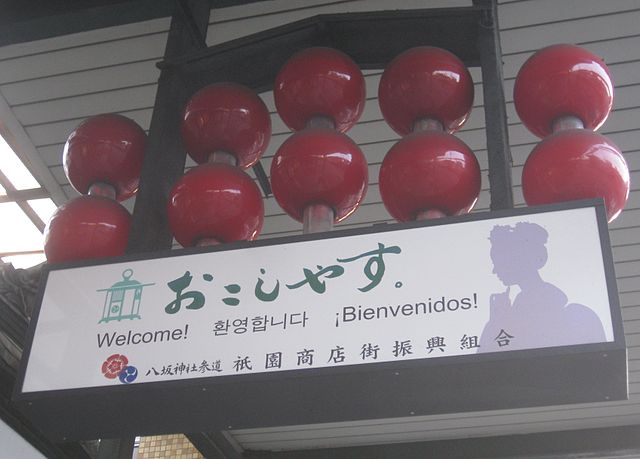
おこしやす We're delighted to welcome you!
しもた・・・ Oh no, I'm done for!
ありえへん No way!
めっちゃええやん! I love it!
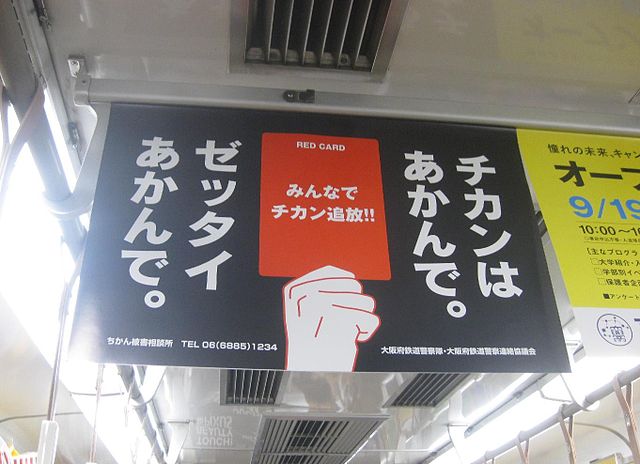
アカンで!! You can't!!
アホな Idiot!
知らん! No idea
いやや!! No way, I won't!!
ほれてまうやろ! You'll make me fall for you!
なんでやねん!! Oh come on!! What is this!!
めっちゃ好きやねん I really like you!!
しょーもな Rubbish!!
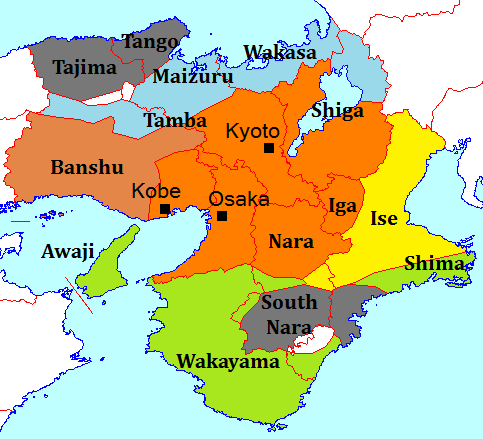
Within the Kansai region, each area ( such as Osaka, Kobe, Nagoya, Wakayama,…) has its own dialect.
③ COMPARING SOME DIFFERENCES BETWEEN THE TOKYO AND OSAKA DIALECTS:
| Kansai | Tokyo | English |
| ちゃう あかん めっちゃ わからへん アホ 粉もん ほんま |
違う ダメ とっても 分からない バカ 粉物 本当 |
Difference You can't! Very "I don't understand" stupid, foolish Dishes made from flour Really |
.
See also:
A Guide to School Life in Japan
What You Need to Know About Studying and Living in Japan