How Nestlé Won Over the Japanese Market
Translated from the Vietnamese original. View the original.
How Nestlé won over the Japanese market: selling coffee-flavoured sweets to children to “imprint” the taste, then returning years later to sell coffee to those “grown-up children”

The story begins in the 1970s, when Nestlé faced a seemingly impossible challenge: bringing coffee to the Japanese market – a place where the tea ceremony had been deeply rooted in the culture for thousands of years.
At first, Nestlé tried every traditional approach: mass advertising, continuous promotions, heavy discounts and investment in attractive packaging. None of it worked. The reason was simple: Japanese people had no emotional connection to coffee.
The turning point came when Nestlé decided to hire Clotaire Rapaille – a French psychology and marketing “wizard”. After his research he made a key observation: “People often develop strong emotional bonds with the foods they encounter in childhood.”
From this perspective, Nestlé made a bold decision: instead of targeting adults, they turned entirely to children. The Japanese market began to see products such as coffee-flavoured sweets, coffee jelly, coffee-filled chocolate and many coffee-flavoured pastries.
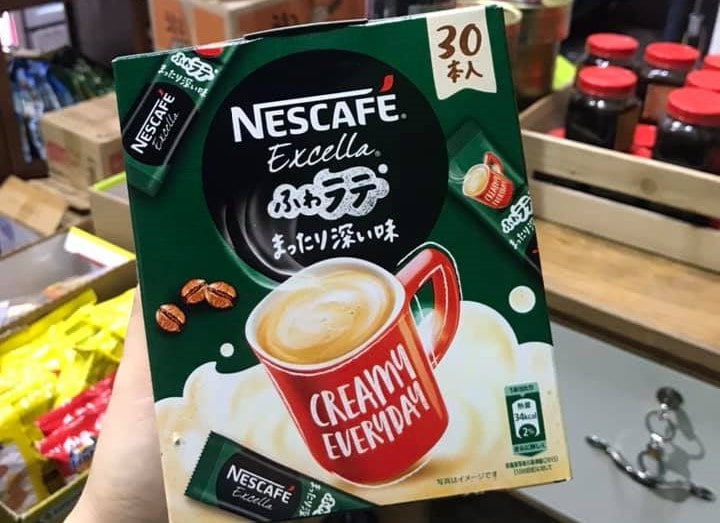
The results were astonishing. By the 1980s, that generation of children had grown up and entered the workforce. Not only were they used to the taste of coffee, they genuinely loved it. As the demand for caffeine at work rose, Nestlé instant coffee was relaunched and immediately became a sensation.
Today Japan is the world's fourth-largest coffee importer, with more than 500,000 tonnes per year. Coffee culture has become an indispensable part of Japanese society, and Nestlé still holds the leading position in the market.
According to Lê Thanh Tùng.
Business lessons
Brands can draw and apply several lessons from the Nestlé case:
– Understand the culture of the market before building a brand strategy.
– If your resources are as large as Nestlé's, you can use tactics to change the consumption habits of a whole nation. If not, you can switch to producing tea (a product the market already likes) or simply choose another market.
– Don't be afraid of long games. Today's investment can bear “sweet fruit” in the future.
See also:
Japanese Cooking Seasonings You Should Know
8 Ways to Apologise in Japanese for Every Situation