N5 Japanese Study Books
Translated from the Vietnamese original. View the original.
N5 Japanese Books is an article introducing the N5 study books you need to build your foundation in Japanese. You should work fully through these N5 course books to get the knowledge and the base you need for higher levels of Japanese.
Which course books make up the N5 set?
The first book to study is a Japanese alphabet book; some you could look at are Kana Nyumon, or self-study hiragana and katakana books…
With this book you have to learn to write each stroke very carefully, with the right strokes in the right order. You also have to learn combined sounds, the small tsu, long vowels, contracted sounds… really solidly, and then practise reading by taking out the Minna no Nihongo vocabulary and grammar book and reading it again to make it stick.
See also: n5 japanese books
Once you have finished the alphabets you will study vocabulary, grammar, kanji, listening and reading at N5 level. The N5 course books below are the ones you need for that level.
Minna no Nihongo textbook
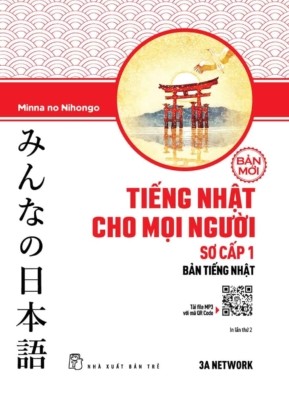
The first part of the book is the key sentence patterns of the lesson, followed by examples of each pattern.
After the patterns and examples comes the model kaiwa; these are extremely basic conversations, and you should listen to the recording and imitate it as closely as you can to practise intonation and pronunciation.
After that come renshuu A, B and C:
Renshuu A only revises the patterns and has few exercises. The exercises are concentrated in renshuu B
Renshuu B has all the exercises for practising the patterns you have learned, but this part is mostly easy because you have only just studied them and they only ask you to join sentences and conjugate, so the exercises aren't too demanding.
Renshuu C: this is the conversation part, with an audio file. Study it by listening to the recording, reading along several times, and then reading at the recording's speed; that is very good for your speaking later on.
The last part of each lesson unit is the exercises, and the Minna no Nihongo exercises have 2 parts:
- Part 1: Listening. This is listening at sentence level, and you should work through it to improve your listening.
- Part 2: Grammar application exercises and simple reading.
Minna no Nihongo vocabulary and grammar explanation
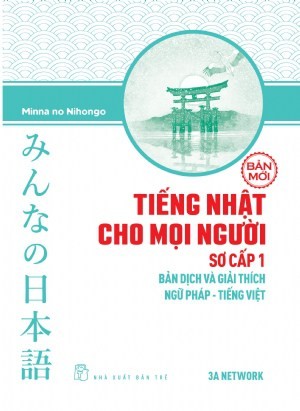
This book collects the vocabulary that goes with the main textbook, with the meaning and kanji for each word. To learn vocabulary effectively you should spend a little extra time learning the kanji alongside each word so you have a firm grip on kanji later.
Vocabulary is quickly forgotten if you don't revise it; to revise you can cover the English side and read the Japanese aloud in English, or cover the Japanese and go the other way
There is also another gentler way of learning vocabulary that many people skip: reading Japanese newspapers, practising reading with the Minna no Nihongo reading book, practising listening with the listening book, or doing exercises in a supplementary workbook.
When you do the exercises in the Minna no Nihongo workbook you meet the vocabulary many times, and it sinks in far more naturally.
See also: N1 revision material
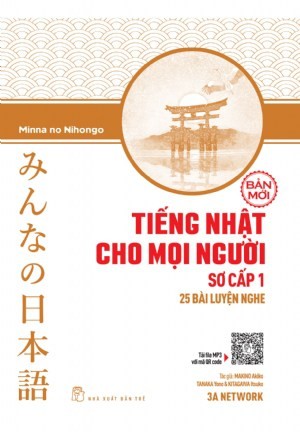
Minna no nihongo choukai
This is probably the book that more than 80% of Japanese learners skip, and they then end up weak at listening. If you don't listen to the simple questions and exercises, how will you manage the harder listening at n3 and n2 level?
Many people later sit the exam and approach listening by leaving it to fate, guessing as much as they can. If that's the case, why learn a foreign language at all?
Most people study in order to work, but ask yourself: how much can you actually use if you can't listen and can't speak?
For listening practice methods, read this article as well
Minna no Nihongo reading
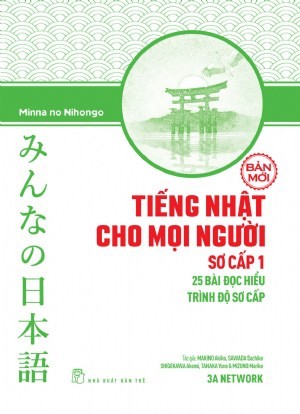
This book is absolutely essential for revising vocabulary and is the best translation practice at your level. You don't need to hunt around for other books — use this one.
The book has passages about Japanese culture with vocabulary suited to N5.
Do the multiple-choice exercises or answer the questions in the book. Then translate the passage and check where you couldn't manage it. Which structures were difficult and worth noting? Write out the new words to learn and revise, and your vocabulary will grow naturally.
Minna no nihongo Kanji?
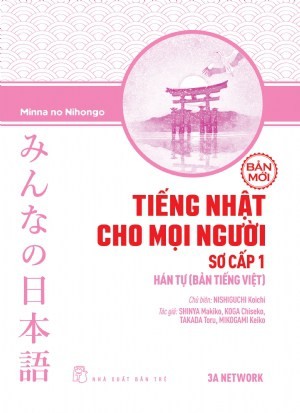
This is the book to study alongside in order to read kanji. It has 220 words for the N5 programme. To learn kanji you have to be willing to write a lot until you are used to the strokes.
However, learning by writing to remember isn't necessarily good. While you have only a few words in your head it's fine, but once you have to learn a large number you run into trouble straight away, because it is hard to remember when your brain is full. The best way is to break the kanji into radicals and then put them back together, making up a story, which helps you remember far longer
Another effective method is to read the news so you meet them repeatedly, which makes them easier to remember.