Japanese Vocabulary You Need When Renting a Home in Japan
Translated from the Vietnamese original. View the original.
Japanese vocabulary you need when renting a home in Japan
-借りる(かりる)―> To rent, to borrow
-賃貸(ちんたい)―> Rental
-マンション ―> Condominium, high-rise building with many units
-アパート ―> Apartment building, about 2 to 3 storeys, fewer units than a manshon
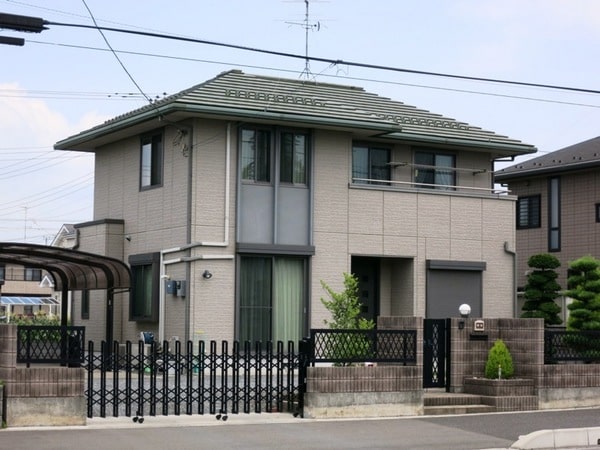
-一戸建て (いっこだて)―> Detached house
-都道府県を選択 (とどうふけんをせんたく)―> Select prefecture
-駅から探す(えきからさがす)―> Search by station
-検索 (けんさく)―> Search
-並び順 (ならびじゅん)―> Sort order
-安い順 (やすいじゅん)―> Sort from cheapest first
-1K ―> Apart from the kitchen, bathroom and toilet… only 1 bedroom
-1DK ―> Like 1K, but the kitchen has space for eating
-2DK ―> Apart from the bathroom and toilet…, a kitchen with dining space, and 2 bedrooms.
-1LDK ―> Apart from the bathroom and toilet…, a kitchen with space, a living room connected to the kitchen-dining area, and 1 bedroom
-2LDK ―> Apart from the bathroom and toilet…, a kitchen with space, a living room connected to the kitchen-dining area, and 2 bedrooms
-3DK ―> like 2DK but with one more bedroom (3 bedrooms in total)
-歩12分 (とほ12分)―> 12 minutes' walk
-築27年 (ちく27ねん)―> Building is 27 years old
-3階建て(3がいだて)―> 3-storey building
-管理費 (かんりひ)―> Management fee
-敷(しき)―> Deposit
-礼(れい)―> Key money
-1K/16.7m2/2階(かい)―> 1K / … m2 / 2nd floor
-見学予約可 (けんがくよやくか)―> Viewing appointments available
-敷金無料 (しききんむりょう)―> No deposit
-礼金無料(れいきんむりょう)―> No key money
-お問い合わせ無料(おといあわせむりょう)―> Free enquiries
-物件情報(ぶっけんじょうほう)―> Property information
-空室状況を問い合わせ無料(くうしつじょうきょうをといあわせむりょう)―> Free enquiry about vacancies
-初期費用を知りたい(しょきひようをしりたい)―> Want to know the initial costs
-間取り(まどり)―> Floor plan
-広さ (ひろさ)―> Size
-平米 (へいべい)―> square metres
-階建て(かいだて)―> Storeys, floors
-種別(しゅべつ)―> Property type
-住所 (じゅうしょ)―> Address
-交通 (こうつう)―> Transport
-基本情報 (きほんじょうほう)―> Basic information
-共益費(きょうえきひ)―> Common service fee
-保証金(ほしょうきん)―> Security deposit
-敷引・償却金(しきびき・しょうきゃくきん)―> Non-refundable deposit deduction・amortisation
-専有面積(せんゆうめんせき)―> Floor area
-間取り詳細(まどりしょうさい)―> Floor plan details
-構造(こうぞう)―> Structure
-鉄骨(てっこつ)―> Steel frame
-木造(もくぞう)―> Wooden
-築年・築年月(ちくねん・ちくねんがつ)―> Building age・year built
-総戸数(そうこすう)―> Total number of units in the building
-向き(むき)―> Orientation
-部屋の特徴(へやのとくちょう)―> Room features
-エアコン付き(つき)―> Air conditioner included
-室内洗濯機置き場(しつないせんたくきおきば)―> Indoor washing machine space
-バス・トイレ別(べつ)―> Separate bath and toilet
-駐車場あり(ちゅうさじょうあり)―> Parking available
-オートロック ―> Auto-lock
-ペット相談可 (ペットそうだんか)―> Pets negotiable
-洗面所独立 (せんめんじょどくりつ)―> Separate washbasin area
-入居条件 (にゅうきょじょうけん)―> Move-in conditions
-敷金・礼金不要(しききん・れいきんふよう)―> No deposit・no key money
-キッチン ―> Kitchen
-IHクッキングヒーター ―> Induction cooker
-プロパンガス ―> Propane gas
-セキュリティ、防犯カメラ(ぼうはんカメラ)―> Security, security camera
-室内設備(しつないせつび)―> Indoor facilities
-エアコン(air conditioner)、フローリング(flooring)、TVインターホン(TV intercom)、室内洗濯置(しつないせんたくち)(indoor washing machine space)、全居室フローリング(flooring in all rooms)、クッションフロア(cushion floor, a layer laid over the floor)、ネット使用料不要(ネットしようりょうふよう)(no internet fee)
-周辺環境(しゅうへんかんきょう)―> Surrounding environment
-保証会社利用必(ほしょうかいしゃりようひつ)―> Guarantor company required
-クリーニング ―> Cleaning
-町会費(ちょうかいひ)―> Neighbourhood association fee
Some vocabulary you need when choosing a home
1. 賃貸(ちんたい: chintai): house rental and 不動産(ふどうさん: fudousan): real estate. These two words are displayed at rental agencies. Out on the street you'll see many such agencies, usually near stations.
2. 賃料(ちんりょう: chinryou): Rent
・ 下限(かげん: kagen): lower limit (minimum amount)
・ 上限(じょうげん: jougen): upper limit (maximum amount)
・ 家賃(やちん: yachin): monthly rent
・ 管理費(かんりひ: kanri hi): management fee
・ 共益費(きょうえきひ: kyo eki hi): common service fee
→ 管理費・共益費込(こ)み: management & common service fees included in the rent
・ 駐車場代込み(ちゅうしゃじょうだいこみ: chuushajoudai komi): parking fee included
・ 礼金(れいきん: reikin): key money paid to the landlord when signing the contract. It is not refunded when the contract ends. Key money is a kind of “custom” rather than a legal requirement. The amount varies by region in Japan but is usually 1 – 2 months' rent. Recently, landlords who don't want units standing empty offer some apartments without key money. When house hunting you can select the criterion 「礼金なし」(no key money)
・ 敷金(しききん: shikikin)/ 保証金(ほしょうきん: hoshoukin): security deposit. These two terms mean the same thing; the name just differs by region. This is a deposit to cover unpaid rent, or repairs and cleaning if the property is damaged during or after the tenancy. Basically it is refunded when the contract ends if the property is undamaged and the tenant hasn't skipped rent during the tenancy. This is also usually 1 month's rent. When searching you can also select 「敷金・保証金なし 」(no deposit)
・ ほか初期費用(しょきひよう)なし: no other initial costs
・ 保証人(ほしょうにん: hoshonin): guarantor for your tenancy
・ 保証人不要(ほしょうにんふよう: hoshonin fuyou): no guarantor required
3. 駅徒歩(えきとほ: ekitoho): walking time to the nearest station (~分以内: ~bun inai: within ~ minutes
最寄り駅(もよりえき: moyori eki): nearest station
4. 間取りタイプ(まどりタイプ: madori taipu): floor plan type
・ ワンルーム (1R) (one room): a single room (kitchen and bathroom in the same space as the bedroom, no partition)
・ 1K: like one room but the kitchen is partitioned off from the bedroom. The kitchen is usually small, with just a sink attached to a stove and a small cupboard)
・ 1DK: D is dining and K is kitchen; like 1K in that the bedroom is separated from the kitchen,
but the kitchen is bigger than a 1K kitchen and usually has room for a small dining table. Bath and toilet are usually separate.
・ 1LDK: L is Living. LDK is “Living, Dining & Kitchen”: living room, dining room and kitchen separated from the bedroom. Bath and toilet are usually separate. The number before K, DK, LDK is the number of bedrooms. Here 1LDK means 1 bedroom separated from the living, dining and kitchen. For example 2K means 2 bedrooms plus 1 (partitioned) kitchen. 2DK is 2 bedrooms, 1 (partitioned) kitchen & dining, etc.
5. 専有面積 (せんゆうめんせき: senyu menseki): usable floor area of the unit (excluding the entrance/shoe area and balcony). This area is also given in m2 as in Vietnam. Some older apartments give the area in 畳 (じょう:jou). 畳 is tatami (mat). Old Japanese-style apartments usually have tatami on the floor and the room area is counted in jou. The area of 1 畳 also varies by region:
・ 京間(きょうま: kyoma) (Kansai region): 1畳 = 1.82 m2
・ 中京間(ちゅうきょうま: chuukyoma) (Nagoya): 1畳 = 1.66 m2
・ 江戸間(えどま: edoma) (Kanto region): 1畳 = 1.55 m2
・ 団地間(だんちま: danchima) (housing complexes): 1畳 = 1.45 m2
6. 建物種別(たてものしゅべつ: tatemono shubetsu): building type
・ マンション: (manshon): apartments in relatively new buildings (4 storeys or more) with modern construction (like condominium apartments in Vietnam)
・ アパート (apato): apartments in low buildings (about 2 – 3 storeys), usually wood or light steel (not reinforced concrete), usually older and cheaper than マンション.
・ 一戸建て(いっこだて: ikkodate): detached house
7. 築年数(ちくねんすう: chiku nensuu): age of the building (years since it was built)
・ 新築 (shinchiku): newly built
・ ~年以内 (~nen inai): within ~ years
8. こだわり条件 (kodawari jouken): Other special requirements
・ バス・トイレ別 (basu & toire betsu): separate bathroom and toilet
・ 2 階以上 (nikai ijou): 2nd floor or above
・ 駐車場あり (chuushajou ari): car parking available
・ 室内洗濯機置場 (shitsunai sentakuki okiba): washing machine space
・ エアコン付き (eakon tsuki): air conditioner included
・ ペット相談(そうだん)可(か): pets negotiable
・ オートロック (autolock): building with auto-lock
・ 洗面所独立(senmenjo dokuritsu): separate washbasin area
・ エレベーターあり: (erebetaa ari): lift available
・ バルコニー付き(balcony tsuki): with balcony
・ ルーフバルコニー付き(roof balcony tsuki): with roof balcony
・ 防犯カメラあり (bouhan camera ari): security camera
・ ルームシェア可 (か): room sharing allowed (several tenants)
・ インタネット無料 (intanetto muryou): free internet)
・ ガスコンロ対応 (gasu conro taiou): gas stove
・ IHコンロ: induction cooker
・ 敷地内ゴミ置き場(shikichi nai gomi okiba): rubbish collection point on the premises
・ 周辺環境(shuhen kankyou): surrounding environment
→ スーパー、コンビニ、ショッピングセンター、病院(びょういん)、保育園(ほいくえん)まで~m:How many metres from the home to the supermarket, convenience store, shopping centre, hospital, nursery, etc.
Example: スーパーまで100m: 100m to the nearest supermarket
See also:
Japanese Contract Terminology
Vocabulary You Need When Renting a Home in Japan